
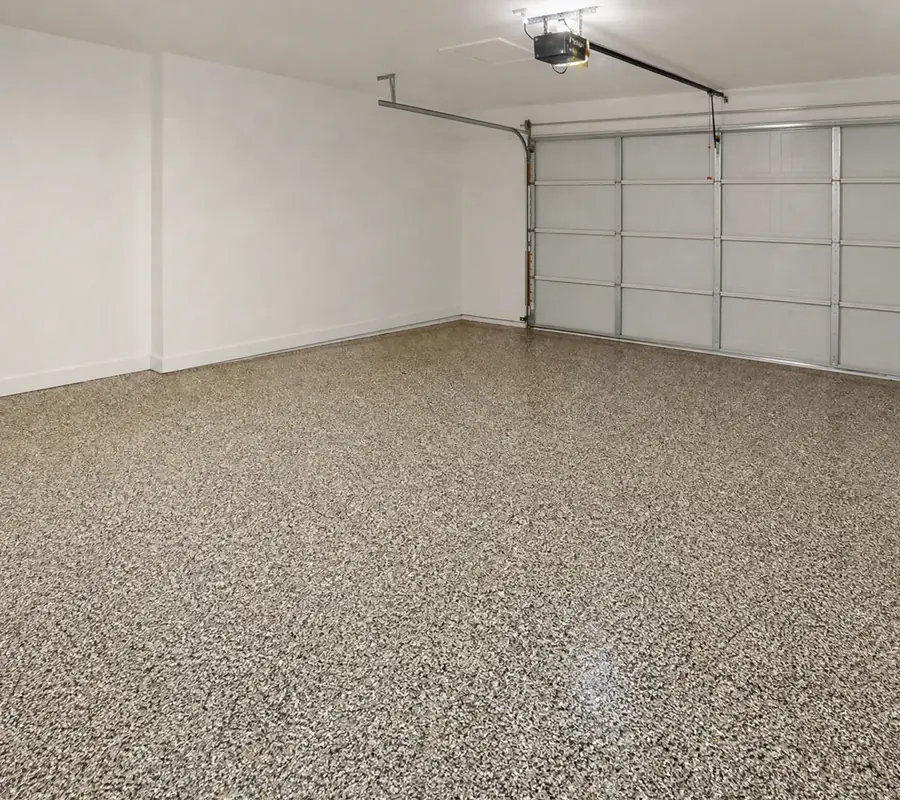
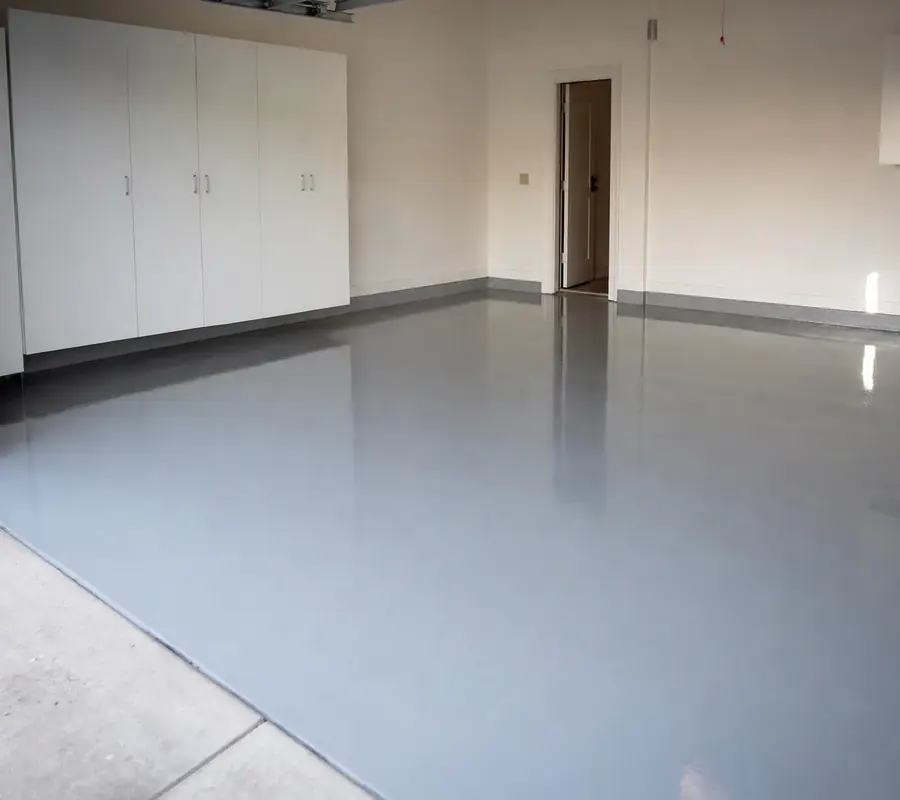
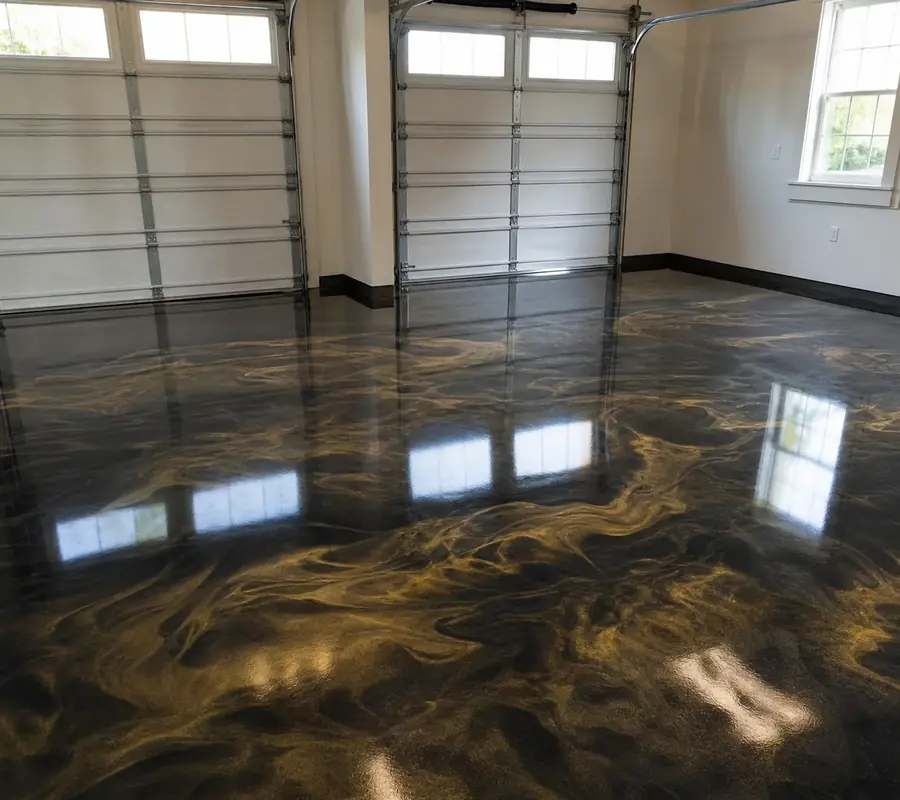
A 20x20 garage is 400 square feet. Our installed prices for it run from $2,600 to $4,000 for a flake system, with solid color, quartz, metallic, and grind and seal falling in other ranges. The final number depends on the system you choose and the condition of the slab.
A 20x20 garage is 400 square feet. Our installed prices for it run from $2,600 to $4,000 for a flake system, with solid color, quartz, metallic, and grind and seal falling in other ranges. The final number depends on the system you choose and the condition of the slab.
A 20x20 garage is the classic two-car size, and it is the footprint most homeowners have in mind when they ask what epoxy costs. That is 400 square feet of concrete. Prices online vary widely because they mix DIY kits, thin coatings, and full professional systems under the same name. Below are our approved installed prices for each system on a 400 square foot floor, an explanation of what is included, and the factors that can move a quote up or down. Numbers are for installed work, not materials alone.
Garage cost is simple multiplication: square feet times the per-square-foot price of the system, subject to a minimum project charge of $2,600. A 20 by 20 garage is 400 square feet, so a flake system at $6.50 to $10 per square foot lands between $2,600 and $4,000. Because many garages are slightly larger or smaller than exactly 400, measure yours and confirm the total at the estimate. Door aprons, entry steps, and a small storage nook can add area. Remember that the quote is for the whole floor, not only the parking footprint, and that the minimum applies even to very small jobs. If you are comparing several quotes, ask each company for a total at your actual square footage and a list of what is included, so you are comparing like with like.
For a 400 square foot floor, here is how our systems compare. Flake system: $6.50 to $10 per square foot, or $2,600 to $4,000, finished in about one day. Solid color: $9.50 to $11.50 per square foot, or $3,800 to $4,600, about three days. Quartz and sand finish: $9 to $16.50 per square foot, or $3,600 to $6,600, two to three days. Metallic: $12.50 to $18.50 per square foot, or $5,000 to $7,400, three to four days. Grind and seal: $6.50 to $9 per square foot, or $2,600 to $3,600. The flake system is the one we recommend most for garages, because it balances cost, texture, and durability. Whichever look you prefer, the grinding, repair, and basecoat work underneath is the same foundation, and that is where a quote should never be trimmed to save money.
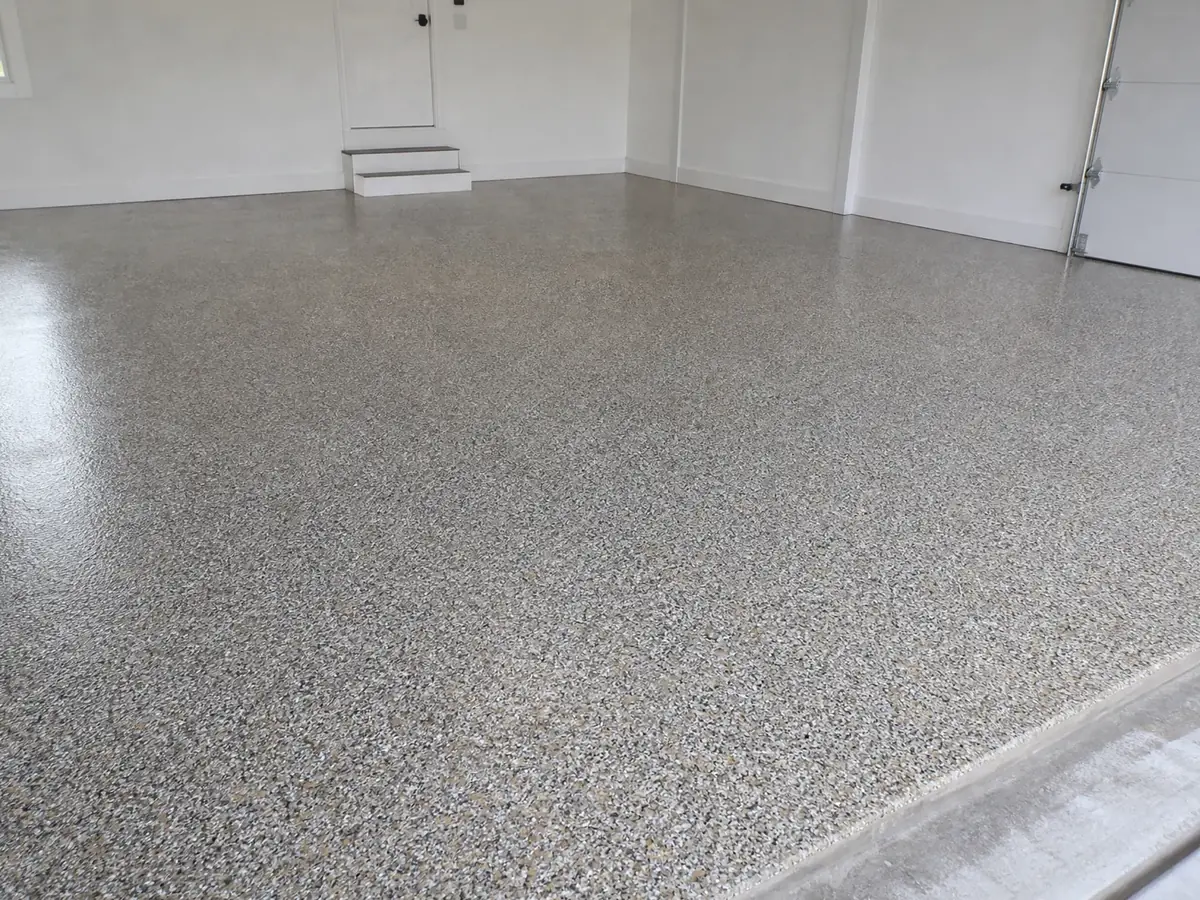
A quote should cover more than the coating. In our standard system the work begins with diamond grinding to create a bonding profile, then crack and joint repair, a moisture-barrier epoxy basecoat, a full-rejection flake broadcast, and a UV-stable polyaspartic topcoat. Materials are VOC-free, and the finished floor carries a limited lifetime adhesion warranty. When you compare estimates, compare the steps and not only the total. A low price that skips grinding or uses a thin topcoat is not the same product, and it usually costs more later when it peels at the tires or yellows near the door. Ask for the scope in writing, including what is covered by the warranty and what the limits are, so you know exactly what you are paying for.
The biggest variables are the system you pick and the shape the concrete is in. Heavy cracking, old coatings that must be removed, oil-soaked areas, or uneven patches take extra time and can change the quote. Decorative choices matter as well: metallic and heavily customized quartz work cost more per square foot than flake because they require more labor and more layers. A larger or smaller footprint scales the total, though the minimum project charge still applies. Access, such as a garage full of stored items that must be moved, can also factor in. An on-site look is the only way to give an exact figure. Because we assess these items at the estimate, you will see the real figure before any work starts, and any change from a typical range will be explained rather than hidden.
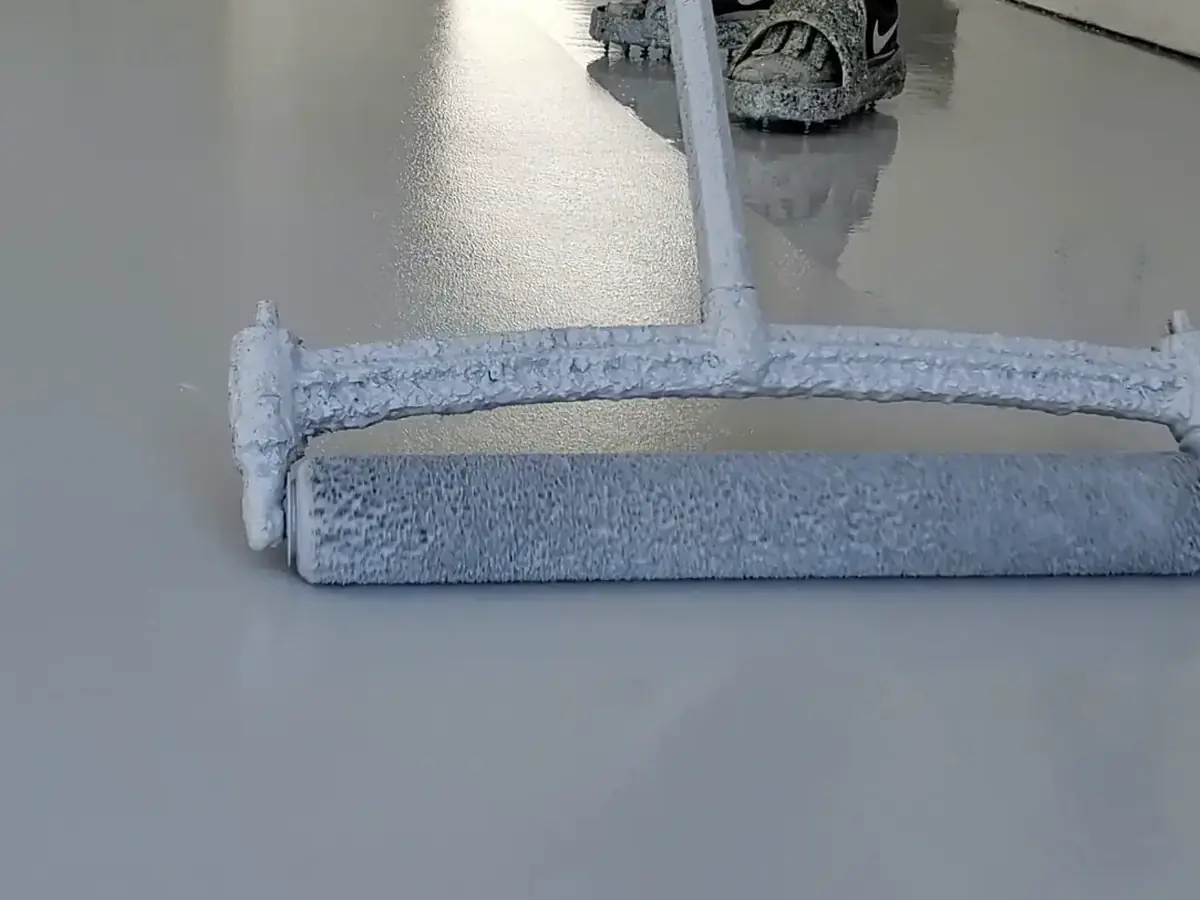
If an offer is far below the ranges above, ask what is being left out. Common shortcuts include acid etching in place of grinding, skipping crack repair, using a thin single-coat product, and omitting a UV-stable topcoat. These choices cut hours and material cost, and they are exactly the choices behind peeling, hot tire pickup, and yellowing. A DIY kit can look cheaper still, but it comes without grinding equipment, pro-grade materials, or a warranty you can call on. Spending a little more on a properly prepared floor is usually the better value over the life of the garage. If you are deciding between systems, consider how long you plan to stay in the home and how hard the garage is used, then match the system to that, not just the lowest number.
For a 20x20 garage, expect $2,600 to $4,000 for flake, and more for solid color, quartz, or metallic depending on the look you want. For an exact number based on your slab, call Elevate Epoxy Flooring at (661) 457-5812 and we will gladly walk through the options. Call (661) 457-5812 for a free estimate.
Our minimum project is $2,600. A flake system on a 400 square foot garage starts at that figure and goes up to $4,000 depending on the exact square footage and the condition of the slab, confirmed at an on-site estimate. It is a fair starting point for planning, and we can confirm the final total after looking at your garage.
For most two-car garages, a flake system offers the best balance. It costs $2,600 to $4,000 on 400 square feet, adds texture and hides dirt, and can be completed in about one day. Metallic and quartz suit homeowners who want a specific look.
Yes. The total is based on actual square footage multiplied by the system's per-square-foot price, subject to the minimum project charge. We measure at the estimate so the number you receive reflects your real floor. A quick tape measure reading of length and width gives a useful starting estimate.
Crack and joint repair is part of our standard system. Unusually severe damage, old coatings that need removal, or structural problems can change the quote, which is why we look at the slab in person before giving a final number.
Full-rejection flake over a moisture-barrier epoxy basecoat, sealed with a UV-stable polyaspartic topcoat. Installed in one day.
Learn more →Durable, easy-to-clean garage floors that resist hot-tire pickup, oil and salt. Most two-car garages are done in one day.
Learn more →Hand-guided metallic pigments create marble and lava effects, so no two floors look alike. A statement floor for homes and showrooms.
Learn more →Yes, for most garages, epoxy is a good idea when the concrete is sound and the installer grinds the slab, repairs cracks, and uses a proper moisture-barrier basecoat with a UV-stable topcoat. A thin roll-on kit over unprepared concrete is where most disappointment comes from.
Read the answer →The real downsides are installation downtime, scratches under sharp impact, yellowing when an epoxy-only topcoat sees sun, slipperiness when wet without texture, and failures caused by moisture or poor prep. Most can be reduced with proper grinding, a moisture-barrier basecoat, a UV-stable topcoat, and added texture.
Read the answer →A well-prepared floor with a UV-stable topcoat usually looks much like it did at install, with some loss of gloss and light surface marks where cars and tools see the most use. Floors with thin coatings, plain epoxy topcoats, or poor prep can show yellowing, scuffing, or lifting by year five.
Read the answer →Call (661) 457-5812 or send the form at the top of the page. We reply the same day.