
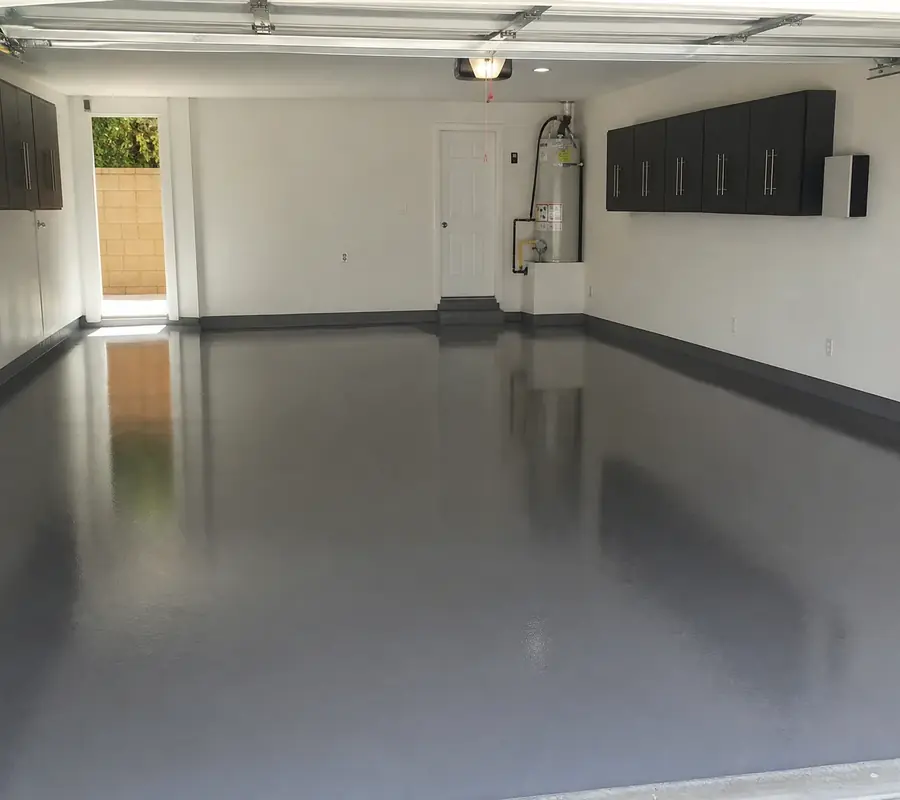
The real downsides are installation downtime, scratches under sharp impact, yellowing when an epoxy-only topcoat sees sun, slipperiness when wet without texture, and failures caused by moisture or poor prep. Most can be reduced with proper grinding, a moisture-barrier basecoat, a UV-stable topcoat, and added texture.
The real downsides are installation downtime, scratches under sharp impact, yellowing when an epoxy-only topcoat sees sun, slipperiness when wet without texture, and failures caused by moisture or poor prep. Most can be reduced with proper grinding, a moisture-barrier basecoat, a UV-stable topcoat, and added texture.
Epoxy is not magic, and anyone who says it is should make you cautious. A coated garage floor has genuine tradeoffs, and some of the complaints you read online are accurate. The good news is that most of them trace back to a handful of causes that are visible before the work starts: poor preparation, the wrong topcoat, or a slab with a moisture problem. This post lists the downsides we consider real, explains why each one happens, and describes what a properly built system does about it so you can decide with clear eyes before you spend any money.
Your garage is out of service while the work is done and the floor cures. Grinding, repair, basecoat, and topcoat have to happen in order, and each layer needs time. A flake system is typically finished in one day, solid color takes about three days, quartz two to three, and metallic three to four. Even after the crew leaves, you should follow the return-to-service guidance for foot and vehicle traffic. If your garage is your only storage or parking space, plan ahead by moving belongings out and arranging temporary parking. It is an inconvenience, but it is a short one compared with the life of the floor. Weather also plays a part, so ask your installer how temperature and humidity are handled during the work and when you can safely park on the floor again.
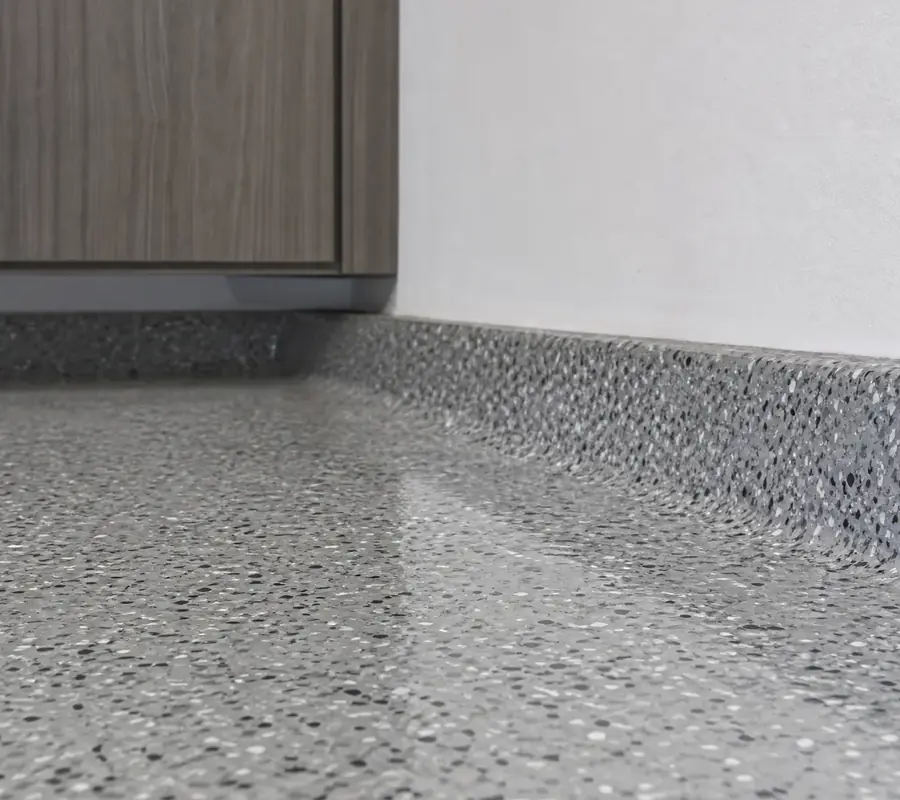
A coating is harder than bare concrete in some ways and still softer than steel. Dragging a heavy toolbox, dropping a wrench, or pushing a jack stand across the surface can mark or chip it. Scratches are most visible on smooth, glossy, dark floors, and less noticeable on flake systems whose texture and color variation hide small marks. Using floor mats under a workbench, felt or rubber pads on furniture, and lifting rather than dragging heavy objects goes a long way. No coating is scratch-proof, so a good installer should describe wear honestly instead of promising otherwise. Choosing a darker or busier flake blend is a practical way to hide wear, since the pattern breaks up the light and makes small marks much harder to spot.
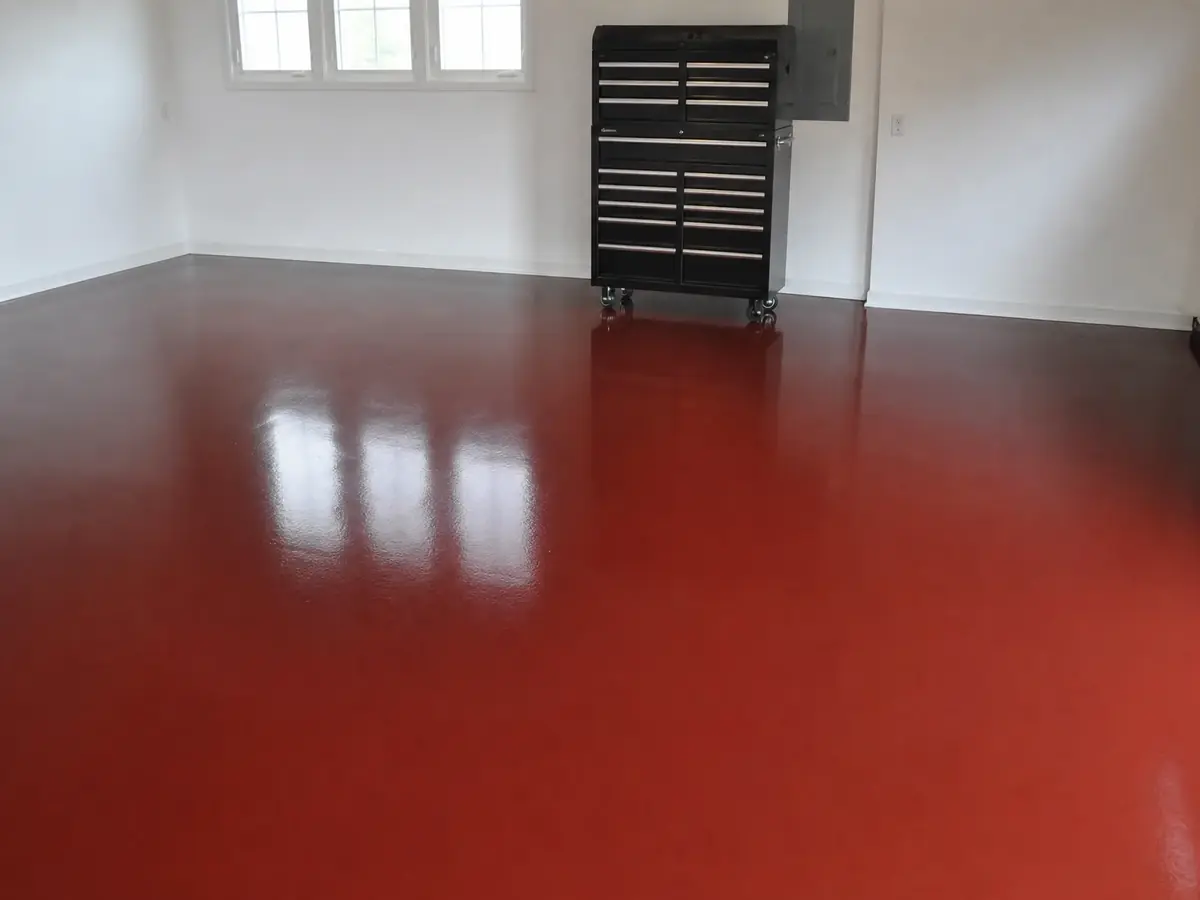
Plain epoxy is sensitive to ultraviolet light. When an epoxy-only topcoat sits near an open door or a window that gets direct sun, it can slowly turn amber, especially on clear or light colors. Hot tire pickup is a separate issue: a freshly driven car can leave tires hot enough to soften a weak or poorly cured coating, which then lifts where the tires sit. Both are largely material and preparation problems. A UV-stable polyaspartic topcoat is designed to resist sun yellowing, and a properly ground, fully cured system with a quality basecoat is far less likely to lift. Parking choices help too. Letting tires cool before a long stay and keeping the floor clean of grit reduce stress on the surface, whatever coating you choose.
A smooth glossy coating can be slick when water, snow melt, or a spilled liquid is on it. In a garage where people walk in with wet shoes or hose the floor, that matters. Flake systems already give some grip, and an anti-slip additive can be mixed into the topcoat for more traction, with the trade-off of a slightly rougher surface that takes a little more effort to clean. Decide on texture early, because it is a design choice rather than something easily added later. If anyone in your home has balance concerns, choose more texture. Test it the way you use it. Bring a wet shoe or a damp tool to a sample board if your installer has one, and decide how much texture you are comfortable cleaning around.
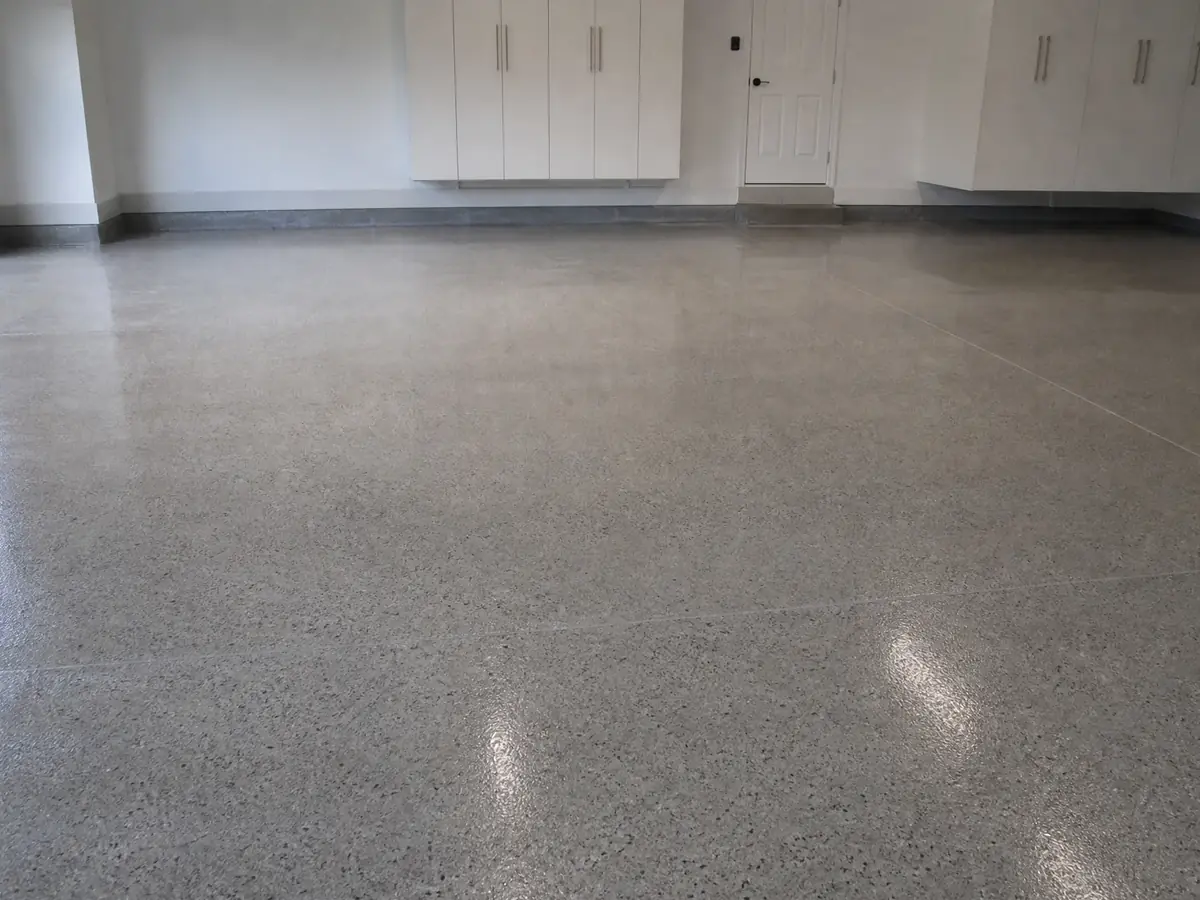
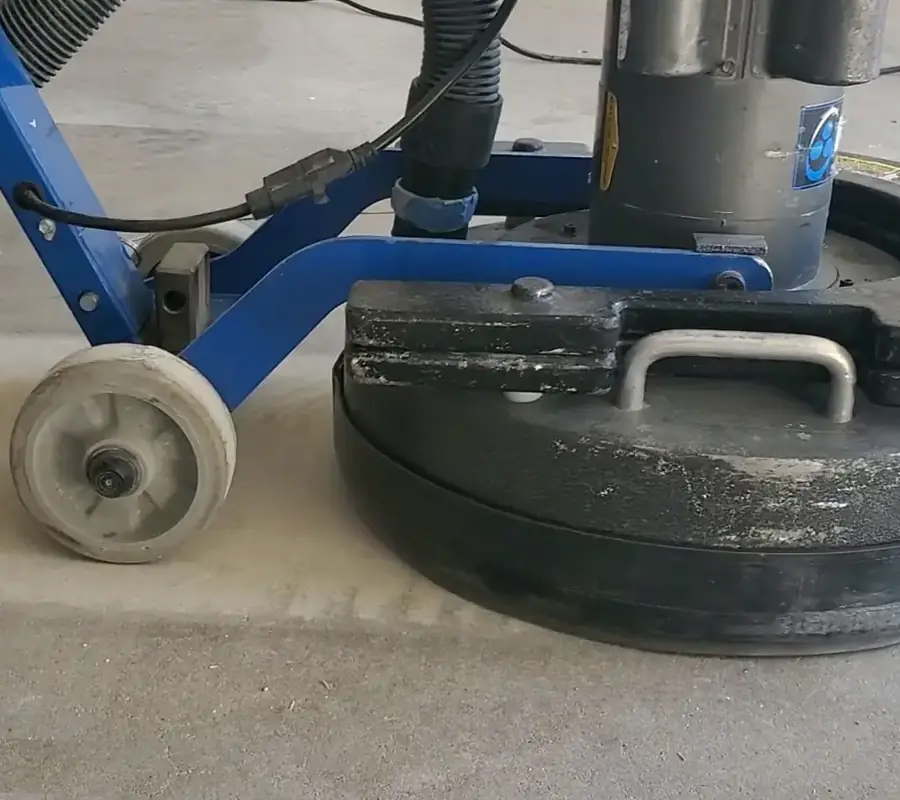
Most dramatic failures, like bubbles, blisters, and peeling sheets, come from moisture vapor rising through the slab or from a surface that was never properly prepared. Acid etching and light cleaning do not create the profile a coating needs. Diamond grinding does, and a moisture-barrier epoxy basecoat is meant to handle vapor that a thin topcoat cannot. Also remember that a coating is not easy to reverse. Removing it means grinding again, so choose color and finish carefully. Ask whether the slab will be tested, and how any warranty, such as our limited lifetime adhesion warranty, treats moisture. Honest installers will tell you what they cannot guarantee. A warranty that is clear about moisture, impact damage, and normal wear is a better sign than a blanket promise.
Epoxy garage floors do have real downsides, but most come from skipped preparation, the wrong topcoat, or ignored moisture. Choose an installer who explains how each is handled. If you want a plain answer about your own slab, call Elevate Epoxy Flooring at (661) 457-5812. Call (661) 457-5812 for a free estimate.
Peeling usually results from poor grinding, moisture coming through the slab, or a thin low-quality coating. Proper diamond grinding, crack repair, and a moisture-barrier basecoat greatly reduce the risk. Many kit floors peel first at the tires or the door.
Epoxy-only topcoats can yellow with sun exposure, especially near doors and windows. A UV-stable polyaspartic topcoat is used to prevent that. Floors in garages that stay mostly closed typically yellow less than those exposed to direct sunlight. Garages that stay closed most of the day often show little change for years.
Smooth gloss can be slippery when wet. Flake systems provide some traction by default, and an anti-slip additive can be added to the topcoat for more grip. Tell your installer how you use the space so the texture can be chosen to match.
Yes, but not easily. Coatings are removed by grinding, which takes time and creates dust. If you might want a different look in a few years, consider a neutral color and flake pattern that can stay for a long time.
Durable, easy-to-clean garage floors that resist hot-tire pickup, oil and salt. Most two-car garages are done in one day.
Learn more →Full-rejection flake over a moisture-barrier epoxy basecoat, sealed with a UV-stable polyaspartic topcoat. Installed in one day.
Learn more →Diamond-ground concrete finished with a clear sealer for a natural, low-maintenance floor at the lowest installed price.
Learn more →A well-prepared floor with a UV-stable topcoat usually looks much like it did at install, with some loss of gloss and light surface marks where cars and tools see the most use. Floors with thin coatings, plain epoxy topcoats, or poor prep can show yellowing, scuffing, or lifting by year five.
Read the answer →Choose flake for the best value and the most forgiving look, solid color for a clean uniform floor, and metallic for a one-of-a-kind showpiece. Flake takes about one day, solid color three days, and metallic three to four. Flake costs $6.50 to $10 per square foot, solid $9.50 to $11.50, and metallic $12.50 to $18.50.
Read the answer →Neither is simply better. Epoxy bonds well to prepared concrete, builds thickness, and works as a moisture-barrier basecoat. Polyaspartic resists sun yellowing and cures fast, which makes it a strong topcoat. For most garages the best system pairs an epoxy basecoat with a polyaspartic topcoat, so each material does the job it does best.
Read the answer →Call (661) 457-5812 or send the form at the top of the page. We reply the same day.