
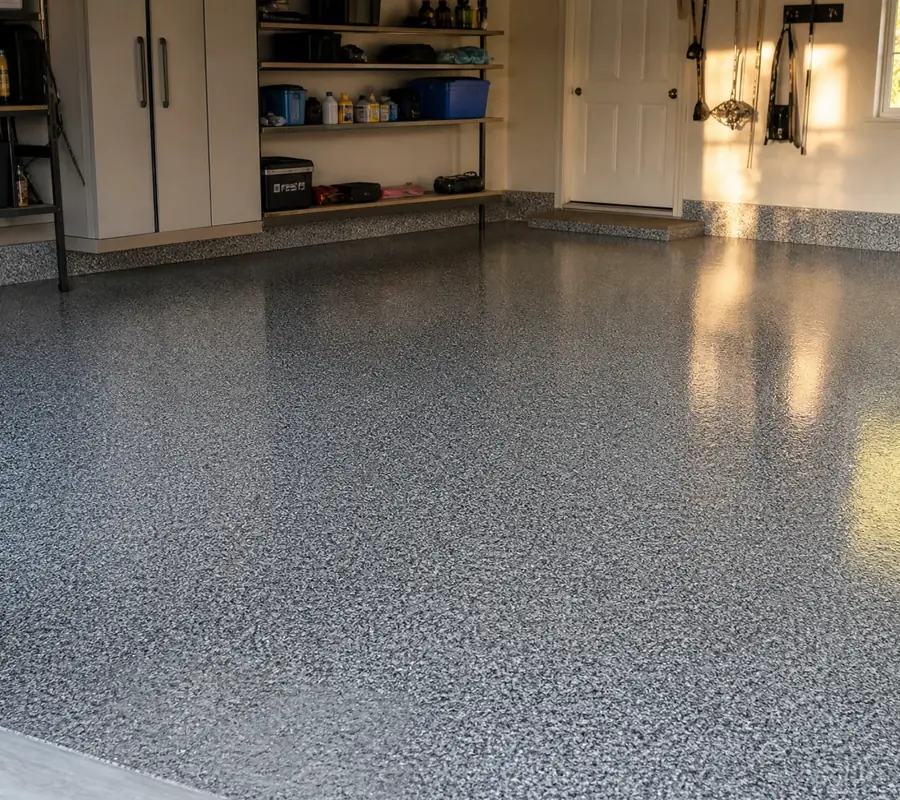
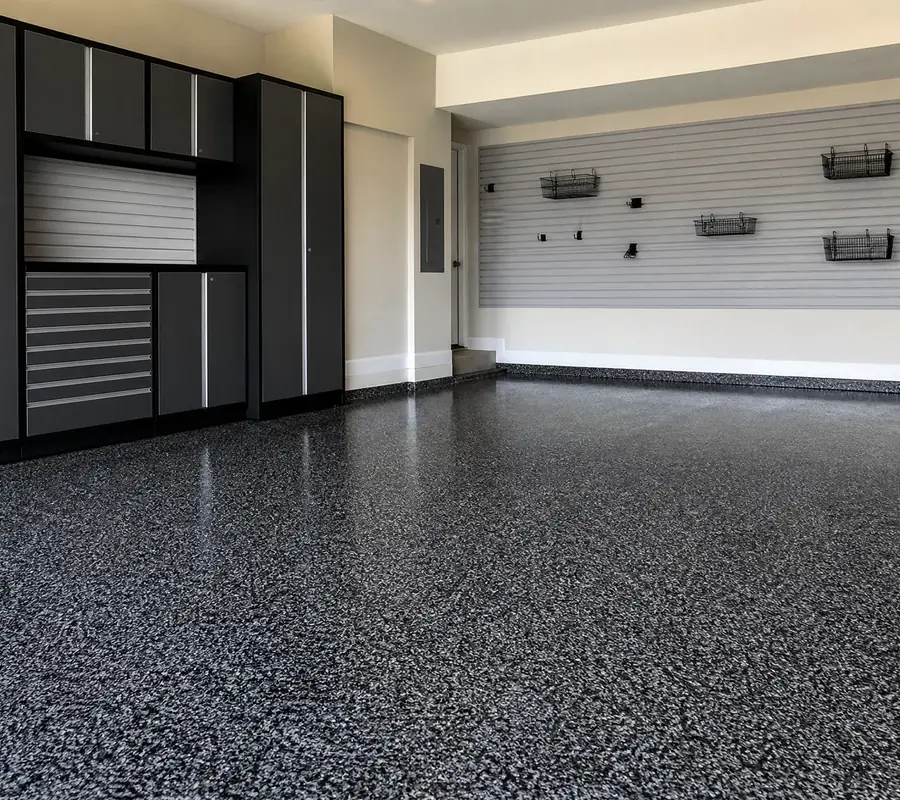
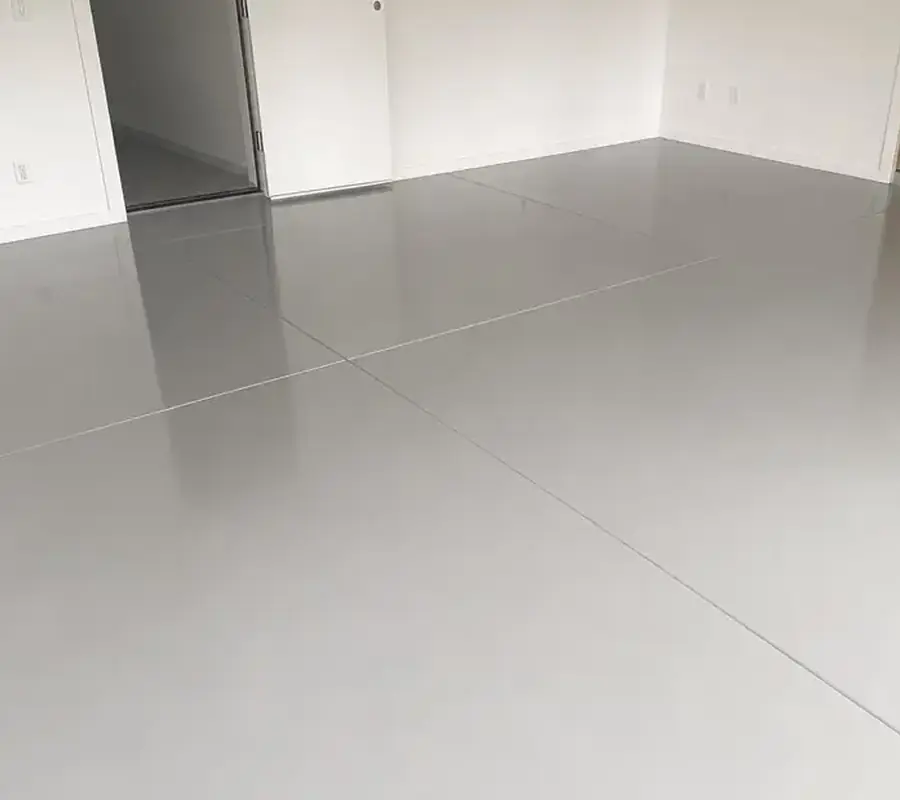
A well-prepared floor with a UV-stable topcoat usually looks much like it did at install, with some loss of gloss and light surface marks where cars and tools see the most use. Floors with thin coatings, plain epoxy topcoats, or poor prep can show yellowing, scuffing, or lifting by year five.
A well-prepared floor with a UV-stable topcoat usually looks much like it did at install, with some loss of gloss and light surface marks where cars and tools see the most use. Floors with thin coatings, plain epoxy topcoats, or poor prep can show yellowing, scuffing, or lifting by year five.
Most epoxy photos are taken the day after installation, which is when every floor looks its best. The better question is how it looks after thousands of trips in and out of the garage. Experiences differ a great deal, and the difference is rarely luck. It comes from the prep, the materials in each layer, how much sun reaches the floor, and how the space is used. This post describes what a floor typically looks like at five years in three scenarios, what to expect at the door and the tire line, and the simple habits that keep a coating looking clean.
A floor that was ground, repaired, built on a moisture-barrier basecoat, and finished with a UV-stable polyaspartic topcoat generally keeps its color and stays firmly bonded. Expect the surface to look slightly less glossy than on day one, especially in the lanes where tires roll and where people walk. Fine surface scratches may be visible under bright light, and flake systems tend to hide them because of the color variation and texture. Stains from oil or brake fluid usually wipe off, because the sealed surface does not absorb them. It should look maintained and clean, not new, and that is a fair expectation. Keep in mind that photographs and forum posts are anecdotes rather than tests, so use them to understand patterns, not to predict an exact result for your own garage.
Yellowing is the most common visible change on older epoxy floors. Epoxy-only topcoats react to ultraviolet light, so the tint tends to show first near the garage door, where the sun reaches the floor, and fade toward the middle of the room. It is most noticeable on white, light gray, and clear finishes. A UV-stable polyaspartic topcoat is designed to hold its color in sunlight, which is why we use it. If your garage door stays closed most of the day, even a plain epoxy floor will usually yellow more slowly. Dark gray, tan, and blended flake colors are more forgiving than clear or white finishes, because small color shifts and dust are far less obvious against them. Direct sun matters more than age, so compare your own door orientation before worrying.
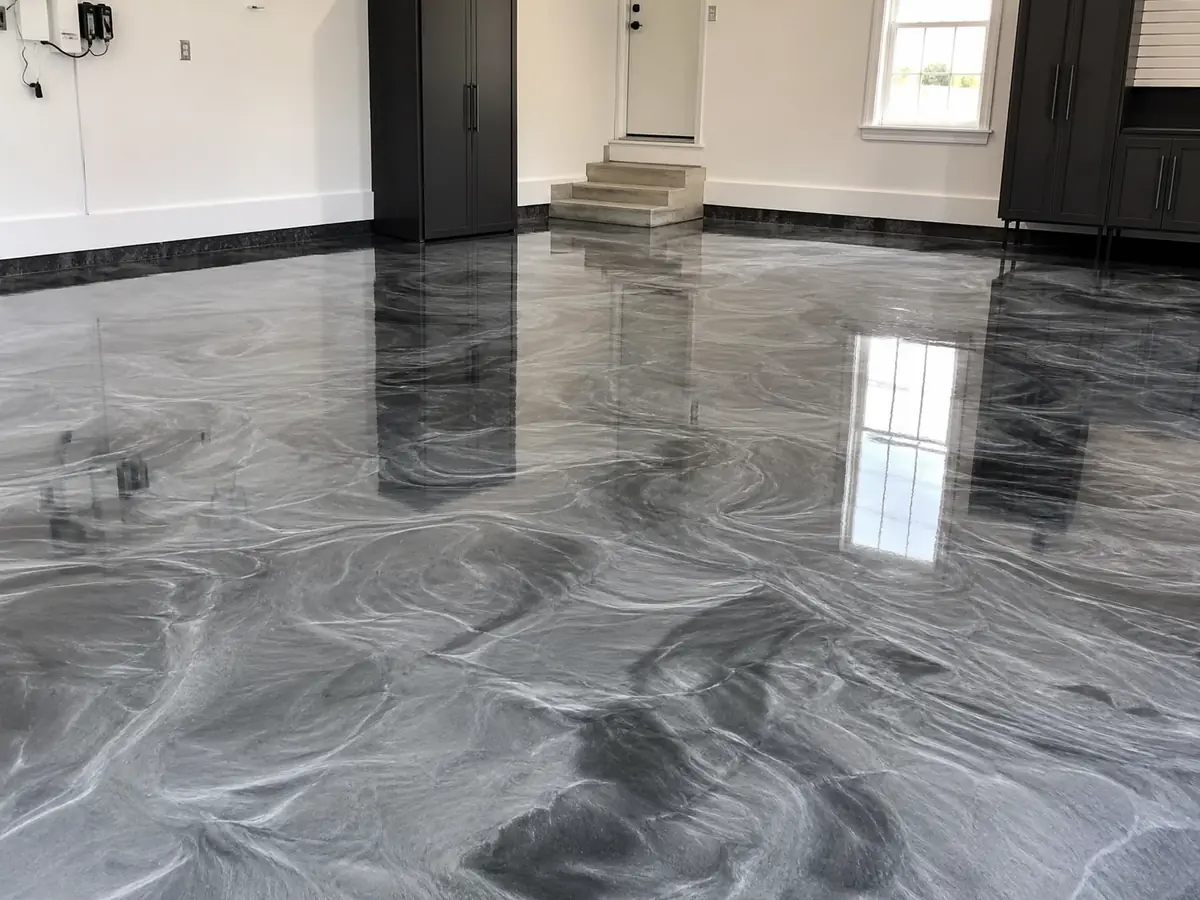
The areas that age fastest are predictable: the door threshold, the path where people walk in, the spot where a car turns, and the places where heavy items get dragged. You may see dull patches or fine scuffing there. Lifting or peeling under the tires is a different matter and points to a preparation or material problem, such as hot tire pickup on a thin coating or a surface that was never ground. If you see that on a young floor, it is worth asking the installer about warranty coverage. Rubber tire stains can usually be cleaned with a soft brush and mild detergent. Rather than assuming the worst, look at the slab and the installer: how it was ground, what was used in each layer, and whether the company stands behind the work in writing.
The photos people post in forums with disappointing results often come from thin roll-on kits or from floors installed over concrete that was only cleaned or acid etched. By year five these can show peeling at the tire line, chipped edges, bare concrete showing through, and uneven color where the coating has worn thin. Moisture can add bubbles or blisters. None of this is inevitable with epoxy. It is what happens when the coating never truly bonded. That is why diamond grinding to create a bonding profile is the part of the job we would never skip. If you spot a problem early, such as a small chip or lifted edge, have it repaired promptly, since moisture and dirt getting under a loose edge can spread the damage.
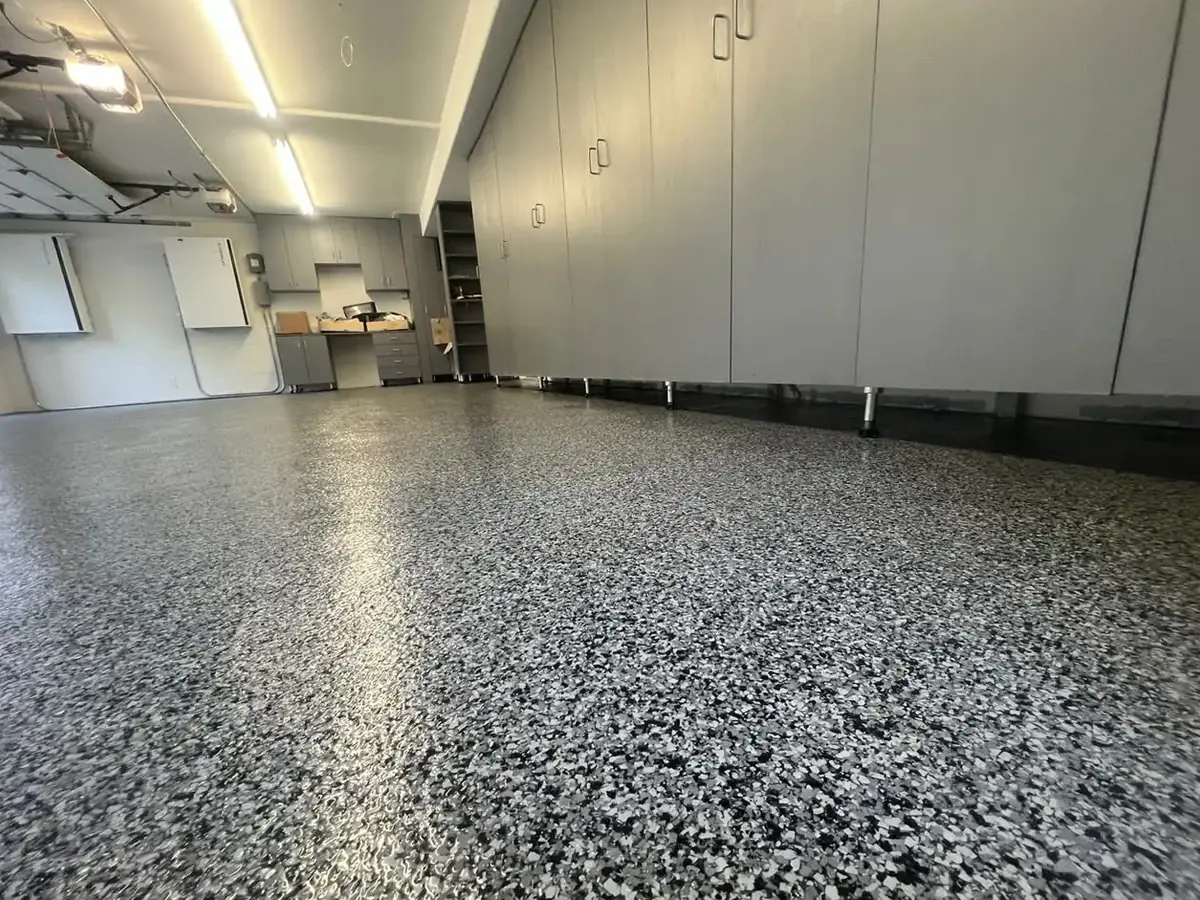
Maintenance is simple. Sweep or dust mop regularly so grit does not act like sandpaper under shoes and tires. Wipe spills, especially oil and chemicals, rather than leaving them for days. Mop with a mild, non-abrasive cleaner and avoid harsh solvents or acids. Use mats under heavy tool chests and lift rather than drag. If you park in direct sun, consider shading the door area. You may also see the gloss fade slowly, and that is normal wear rather than a defect. Ask your installer what cleaners they recommend, so you do not accidentally damage the finish. Small habits like these add up over five years, and they cost almost nothing compared with the price of the floor itself. Following these basics is usually all that is needed.
After five years, a properly prepared epoxy floor with a UV-stable topcoat should look clean and well kept, with modest wear in the busiest spots. Cheap or poorly prepared coatings show their age sooner. To discuss what would hold up best in your garage, call Elevate Epoxy Flooring at (661) 457-5812. Call (661) 457-5812 for a free estimate.
Epoxy-only topcoats can yellow with sun exposure, mostly near doors and windows. A UV-stable polyaspartic topcoat is designed to resist that. Light colors show it most, and garages that stay closed typically yellow more slowly. Closed garages see less. Shade helps.
Yes, gloss usually softens gradually, particularly in high-traffic lanes. Regular sweeping and gentle cleaning slow the change. A flake floor tends to look consistent as it ages because texture and color variation hide light scuffs. Gloss is not a sign of failure.
Ordinary tire marks can be cleaned with a soft brush and mild detergent. Lifting or peeling under the tires usually points to poor prep or a weak coating. A ground slab and quality basecoat greatly lower that risk. Ask about warranty terms for peeling.
Often yes, if the existing coating is still firmly bonded. The surface is typically scuffed or ground, damaged areas are repaired, and a fresh topcoat is applied. Loose or peeling coatings have to be removed first. An on-site inspection will confirm what is possible.
Durable, easy-to-clean garage floors that resist hot-tire pickup, oil and salt. Most two-car garages are done in one day.
Learn more →Full-rejection flake over a moisture-barrier epoxy basecoat, sealed with a UV-stable polyaspartic topcoat. Installed in one day.
Learn more →A clean, seamless pigmented floor in gloss, satin or matte for garages, workshops, interiors and commercial spaces.
Learn more →Choose flake for the best value and the most forgiving look, solid color for a clean uniform floor, and metallic for a one-of-a-kind showpiece. Flake takes about one day, solid color three days, and metallic three to four. Flake costs $6.50 to $10 per square foot, solid $9.50 to $11.50, and metallic $12.50 to $18.50.
Read the answer →Neither is simply better. Epoxy bonds well to prepared concrete, builds thickness, and works as a moisture-barrier basecoat. Polyaspartic resists sun yellowing and cures fast, which makes it a strong topcoat. For most garages the best system pairs an epoxy basecoat with a polyaspartic topcoat, so each material does the job it does best.
Read the answer →Hot tire pickup is when warm tires soften or pull at a garage floor coating, leaving marks, ridges, or peeled patches where the tires sit. You prevent it with thorough diamond grinding, a well-bonded quality basecoat, a UV-stable polyaspartic topcoat, and giving the floor its full cure time before parking.
Read the answer →Call (661) 457-5812 or send the form at the top of the page. We reply the same day.