
Epoxy peels when it never bonded properly to the concrete. The usual causes are poor surface preparation, moisture vapor rising through the slab, a thin or low-quality coating, oil or old sealer left on the surface, and driving or parking on it before it cured. Fixing it means removing the failed coating and re-preparing the slab.
Epoxy peels when it never bonded properly to the concrete. The usual causes are poor surface preparation, moisture vapor rising through the slab, a thin or low-quality coating, oil or old sealer left on the surface, and driving or parking on it before it cured. Fixing it means removing the failed coating and re-preparing the slab.
Peeling is the complaint that gives epoxy a bad name, and it is easy to see why. A floor that looked great for a few months starts lifting at the garage door, or sheets of coating come away from the slab like old paint. The good news is that peeling is almost never random. It points to a specific cause, and most causes can be identified before a floor is coated. This post covers the reasons we see most often in Santa Clarita Valley garages, how to tell them apart, and what a proper repair involves, so you can decide whether to patch, recoat, or start over.
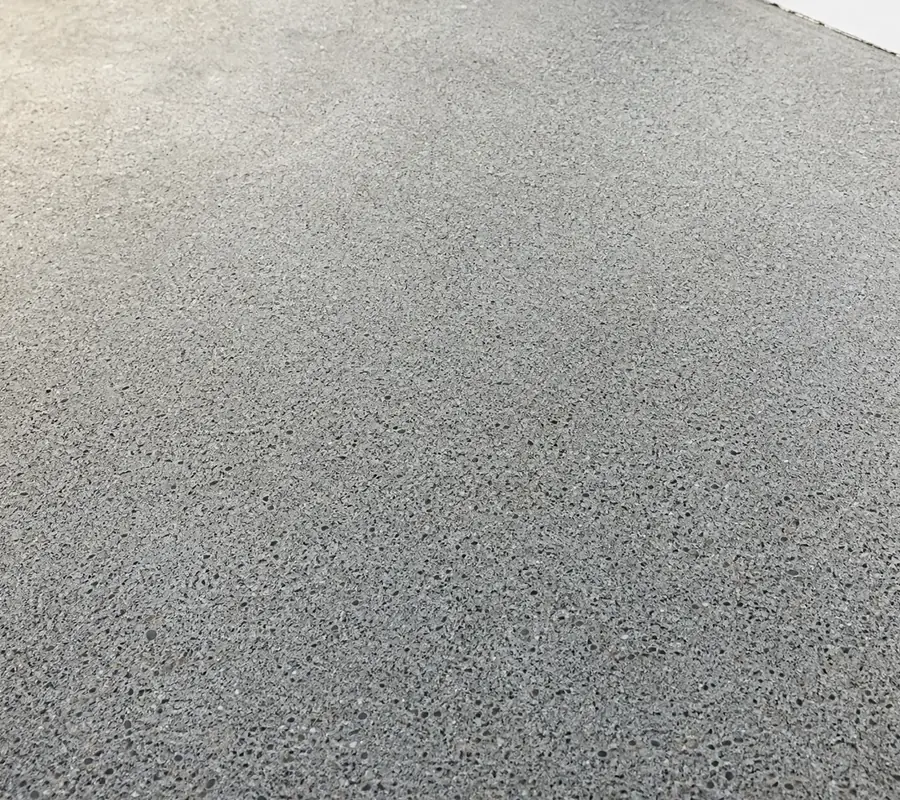
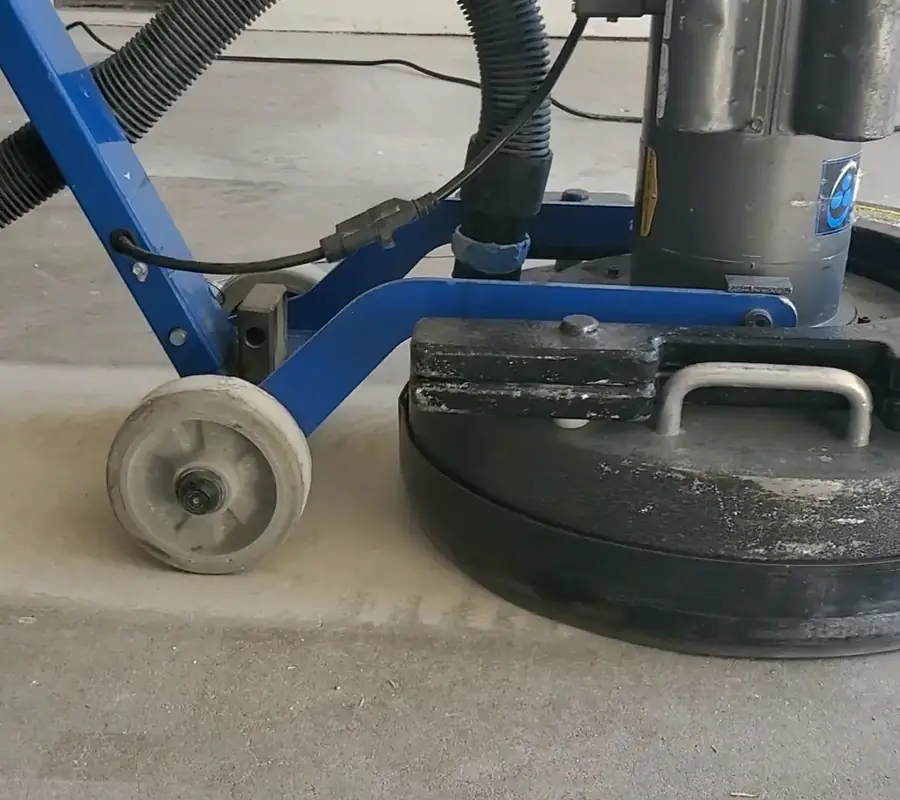
Epoxy does not stick to dust, laitance, old sealers, or smooth hard concrete. It sticks to a clean, open, rough surface, which is why professionals use diamond grinding to create a bonding profile. Many failed floors were instead acid etched, lightly scrubbed, or only degreased, and the coating sat on top of the slab instead of locking into it. A quick test is to look at the underside of a peeled flap. If the back is clean and shiny with almost no concrete powder attached, the bond was weak from the start. If a thin layer of concrete came up with it, the slab itself was weak or damp. Either way, the visual clues point back to preparation. A floor that has been properly ground, vacuumed, and repaired is far less likely to fail, and that is the part of the job you cannot see once the coating is on. Ask any installer how they prepare the slab and what equipment they use. Diamond grinders with dust control are the professional answer, while a pressure washer, a bottle of acid, and a broom are not. The cost difference is real, and it shows up later in whether the floor stays down.
Concrete is porous, and water vapor moves up through slabs on grade, especially where there is no effective vapor barrier underneath or where irrigation and drainage keep the soil damp. When a coating is too thin or too tight to let that vapor pass, pressure builds underneath and shows up as bubbles, blisters, and eventually peeling, often in patches. Santa Clarita Valley is dry for much of the year, but that does not mean every slab is dry, and irrigation near a garage can matter. The answer is to test the slab and, where the slab calls for it, use a moisture-barrier epoxy basecoat meant to resist vapor. A rough check is taping a piece of clear plastic to the concrete for a day and watching for condensation, but it is not a replacement for proper testing. Moisture issues are the ones most worth confirming before any coating is bought. Signs of a moisture problem include a white powdery residue on the concrete, dark damp patches after rain or watering, bubbles that feel wet or hollow when pressed, and peeling that begins in the middle of the floor rather than at the edges. If you see any of these, tell your installer before a quote is finalized.
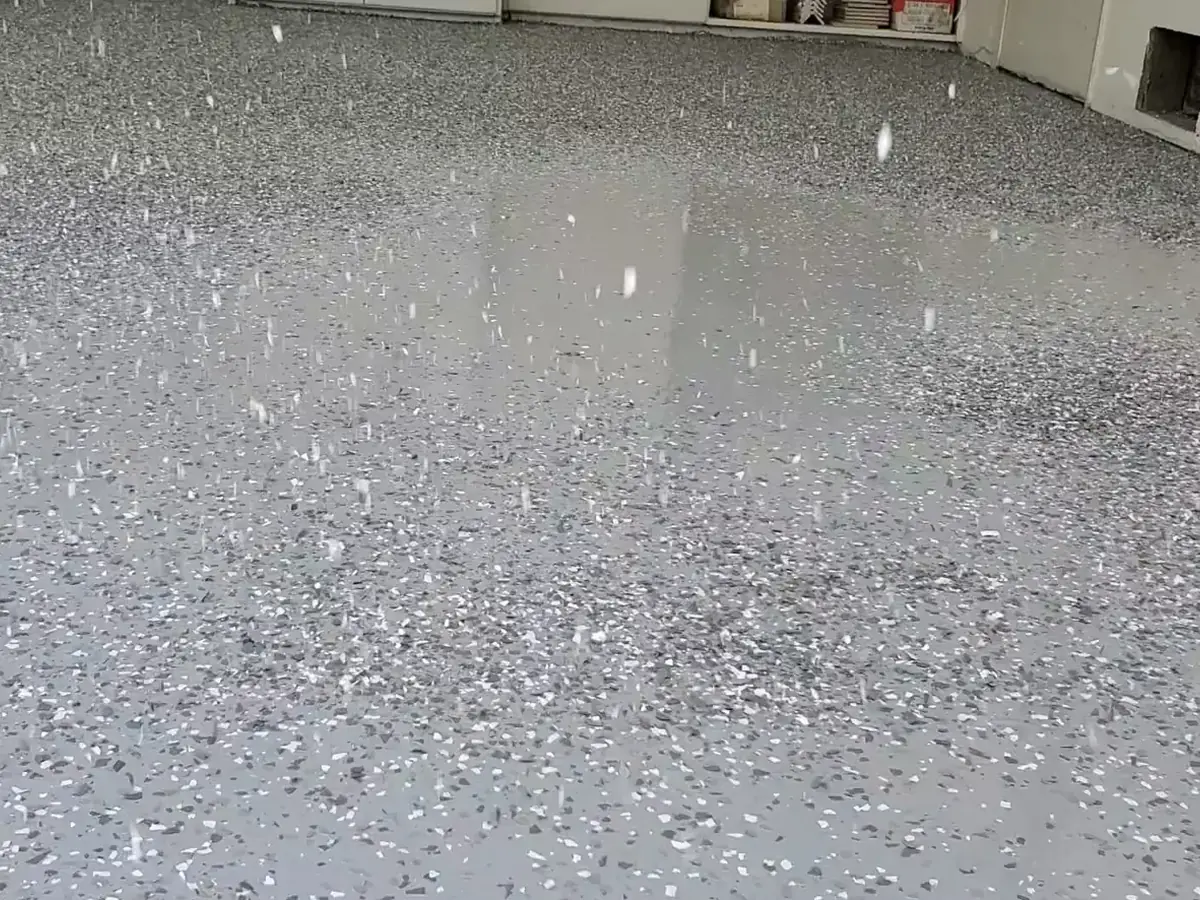
Some store-bought garage coatings are water-based or thin and meant to look good for a short time. They are easy to apply, but they often do not build enough film to bond well or resist tires. Two-part epoxy also has to be mixed in the correct ratio and applied within its working time. Too much hardener, too little, or mixing in a hurry can leave soft or tacky spots that later lift. Applying over a temperature or humidity swing causes trouble as well. A coating laid on a cold slab, or on one still warming up in the sun, can trap moisture or cure unevenly. Professional systems separate the layers by function: a basecoat for bond, a body coat or flake for build, and a topcoat for wear and UV. Using one thin coat to do all three jobs is a common cause of early peeling. Check the label on any product you are considering. If it describes a quick paint-on finish that needs no grinding, treat the claim cautiously, because the bond you get is only as good as the surface and the film thickness behind it.
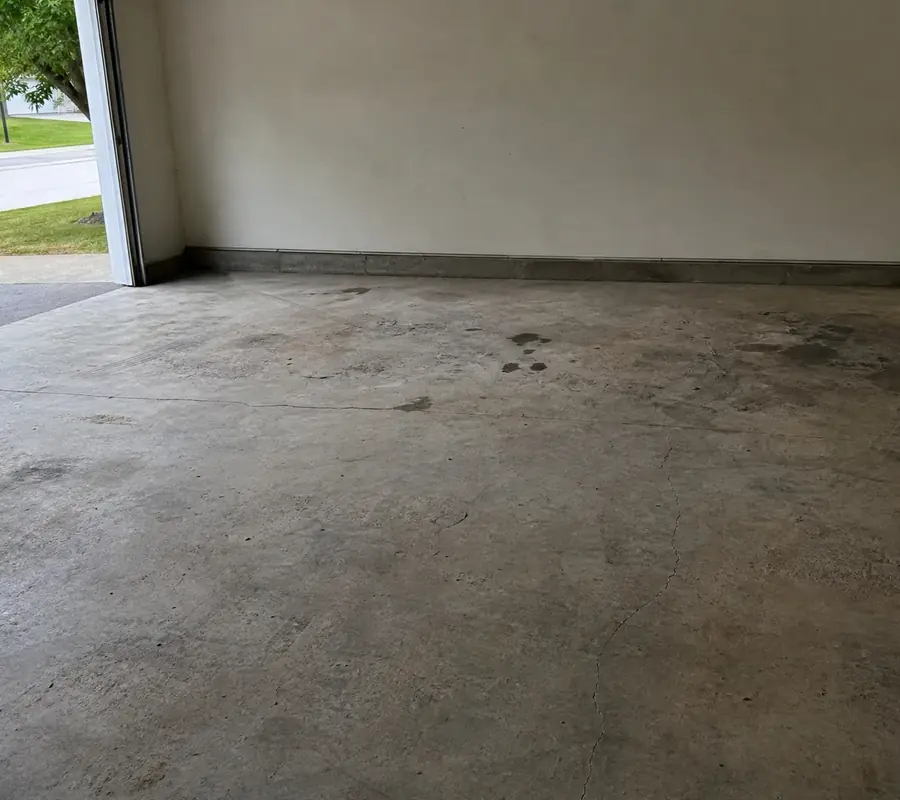
Oil, grease, silicone-based products, and old sealers can keep epoxy from bonding. Garage floors collect all of them. If the slab was only cleaned and not ground, residue can hide just below the surface and cause a bond failure that appears weeks later. Painting over an existing coating without removing it is another trap, because the new layer is only as strong as the old one underneath. Early use is the last common cause. A new floor needs its full cure before cars, jack stands, or heavy tools touch it. Parking on a coating that is still soft allows tires to pull at it, and peeling begins at the exact place the tires sat. If your floor is peeling in two tire-shaped patches, read our post on hot tire pickup, because the diagnosis overlaps. Tell your installer honestly when you first drove on the floor, since it affects what a warranty covers. Water spilled on a fresh floor, dust blowing into wet material, and open doors during the cure can also leave weak spots, so a clean, controlled work area is part of doing it properly.
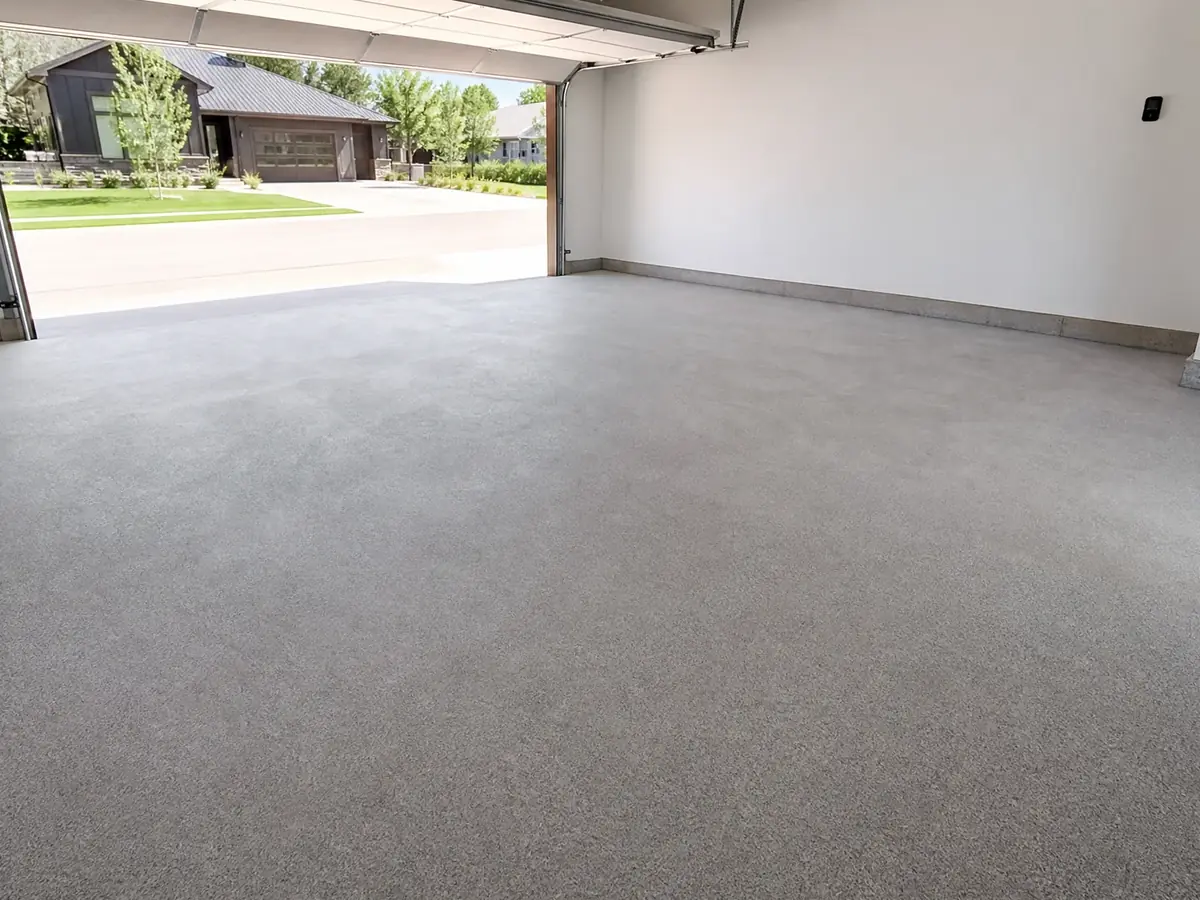
The repair depends on how far the failure has spread. A small chip or edge lift can sometimes be ground back to sound material, feathered, and patched, although the patch may look slightly different. If peeling is widespread, the reliable fix is to remove the whole coating by grinding, repair cracks and pits, test for moisture, and rebuild with a proper system. Grinding off failed epoxy is slower than prepping bare concrete, so removal adds time and cost, and we quote it after seeing the floor. Recoating over loose epoxy rarely lasts, and a clear sealer on top just traps the problem. For new work, a diamond-ground slab with a moisture-barrier basecoat, a flake epoxy floor build, and a UV-stable polyaspartic topcoat is a common path. Ask for a free estimate and a clear description of how the failed material will be removed, because that step decides whether the second floor lasts. Whatever you choose, ask the installer to explain what caused the failure in your case. If they cannot name a cause, the same problem may come back.
Peeling is a symptom of a bond that was never strong, and the cause is usually preparation, moisture, or the product. Get the diagnosis right before you pay for a repair. If you would like a straight read on your floor, call Elevate Epoxy Flooring at (661) 457-5812. Call (661) 457-5812 for a free estimate.
The most likely reasons are weak preparation, moisture coming through the slab, a thin store-bought coating, or driving on it too soon. Look at the back of a peeled flap and where it lifts first, since both clues help identify the cause.
Sometimes. Small isolated failures can be ground back and patched. If the peeling covers large areas or follows the tire lines, the underlying cause is usually systemic, and a full removal and rebuild gives the better result.
It is not recommended. New coating bonds only as well as the surface beneath it, and loose or failing epoxy will pull away again. The old material should be ground off until you reach sound concrete before a new system goes on.
Yes. Water vapor rising through a slab can build pressure under a coating, causing bubbles and peeling. Testing the slab and using a moisture-barrier epoxy basecoat where needed greatly reduces the risk, though no coating promises to handle every moisture condition.
That area gets the most stress from tires, temperature swings, water, and grit tracked in from outside. A weak bond fails there first. It is often an early sign that the whole floor was not prepared deeply enough.
It depends on the terms. Ours is a limited lifetime adhesion warranty on residential work, which is about the bond to the concrete. Always ask what it says about moisture, impact damage, and normal wear before you sign.
Durable, easy-to-clean garage floors that resist hot-tire pickup, oil and salt. Most two-car garages are done in one day.
Learn more →Diamond-ground concrete finished with a clear sealer for a natural, low-maintenance floor at the lowest installed price.
Learn more →Full-rejection flake over a moisture-barrier epoxy basecoat, sealed with a UV-stable polyaspartic topcoat. Installed in one day.
Learn more →It depends on the coating system, the products used and the temperature, so get a return-to-service date in writing. Expect to walk on the floor first, drive on it later, and reach full cure after that. Install time is a separate number: flake takes one day, solid color three, metallic three to four, quartz two to three.
Read the answer →A properly prepared and fully cured floor generally handles Santa Clarita summers well, but heat exposes weak spots. The main risks are hot-tire pickup on a poorly cured or poorly prepped coating, yellowing near sun-facing doors, and hot surfaces underfoot. Diamond grinding and a UV-stable polyaspartic topcoat address most of them.
Read the answer →Yes, you can epoxy a garage floor with cracks and stains, but not by simply rolling coating over them. Cracks should be repaired, oil stains need to be ground out or treated, and the slab must be prepared first. Wide or shifting cracks may need a closer look before any coating goes down.
Read the answer →Call (661) 457-5812 or send the form at the top of the page. We reply the same day.