
It depends on the coating system, the products used and the temperature, so get a return-to-service date in writing. Expect to walk on the floor first, drive on it later, and reach full cure after that. Install time is a separate number: flake takes one day, solid color three, metallic three to four, quartz two to three.
It depends on the coating system, the products used and the temperature, so get a return-to-service date in writing. Expect to walk on the floor first, drive on it later, and reach full cure after that. Install time is a separate number: flake takes one day, solid color three, metallic three to four, quartz two to three.
Most people ask this question the day before the crew arrives, usually while looking at two cars and a garage they cannot use. The honest answer is that there is no single number. A new floor goes through stages, and each stage has its own rule. Light foot traffic comes first, vehicles come later, and the coating keeps hardening for days after that. What follows explains the stages, how the different systems change the schedule, and what to ask your installer so you are not guessing. We also cover what Santa Clarita summer heat does to the first week.
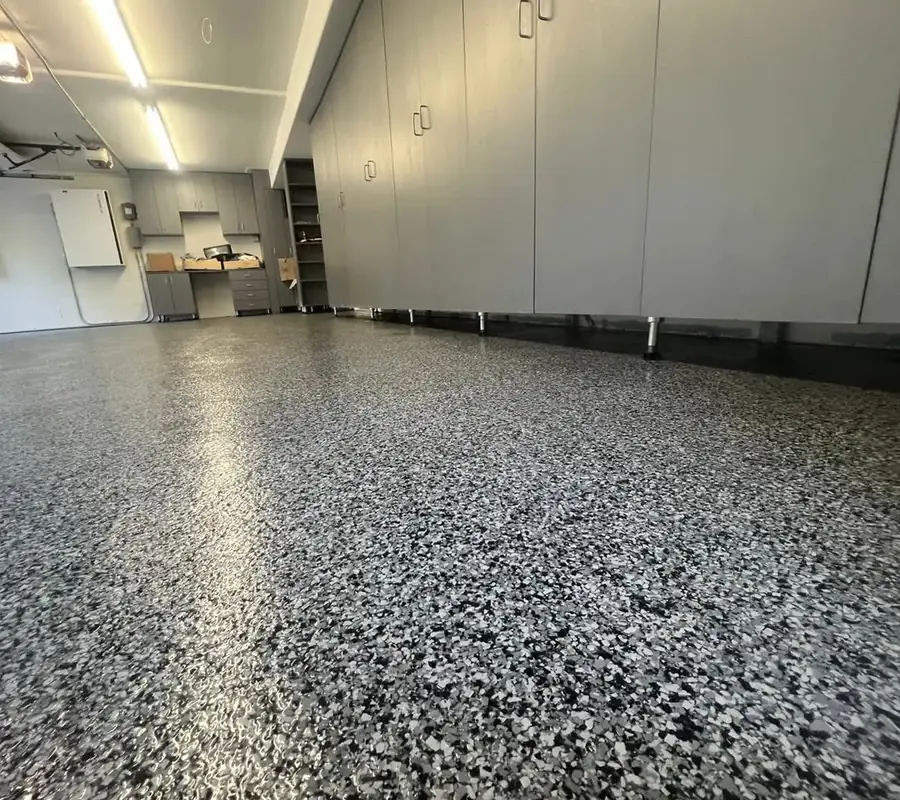
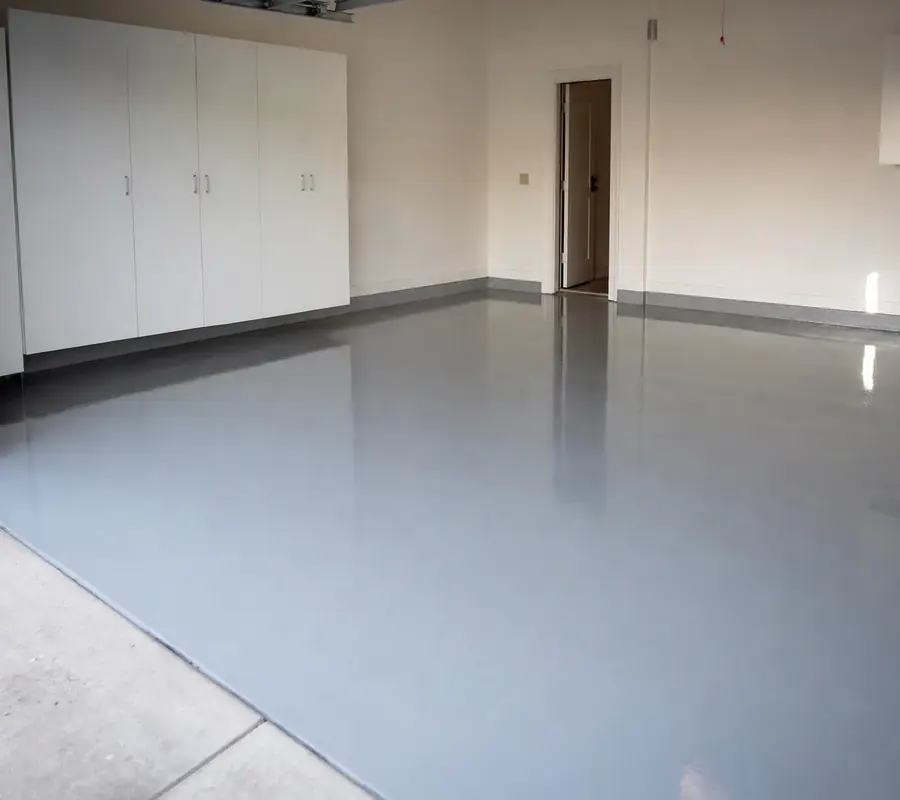
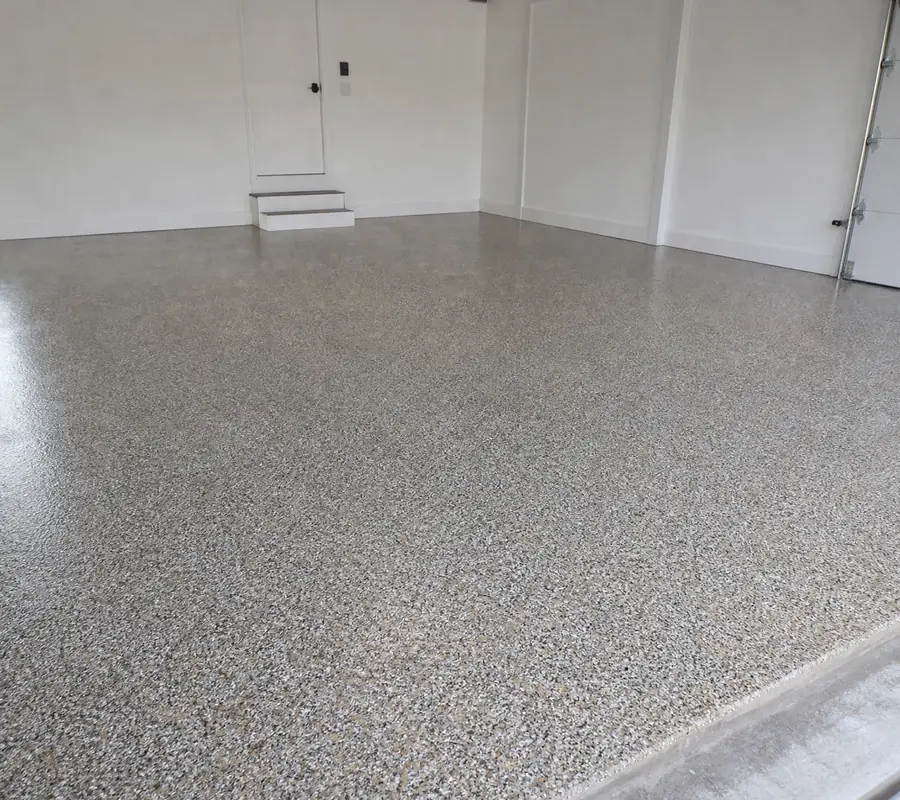
When a contractor says a flake floor takes one day, that describes how long the crew works on your slab. It does not mean you can pull the car in that evening. The typical install times we use are one day for a flake epoxy floor, three days for a solid color epoxy floor, three to four days for a metallic epoxy floor, and two to three days for a quartz finish. Those numbers cover diamond grinding, crack repair, the basecoat, any broadcast, and the topcoat. They are working days, and the coating still needs time to harden after the last layer goes down. Think of install time as the date the work ends and return-to-service time as a separate date that starts after it. A contractor who gives you only the first number has told you half of what you need to plan around. Ask for both before you book, and ask which products are going on, because the topcoat chemistry affects how quickly the surface hardens. Also remember that a crew can finish on a Friday and the floor will still be in its break-in period on Saturday morning, so weekend plans for the garage may need to change before you set the date.
Most coating manufacturers publish separate times for each stage, and they are not the same. Light foot traffic is the earliest, and it generally means walking carefully in clean, soft-soled shoes. Vehicle traffic comes later, because a car puts concentrated weight and heat on a small patch of coating. Full cure is the last stage, when the coating reaches its final hardness and chemical resistance. Many epoxy products take about a week to reach that point, and some take longer in cool weather, but the product data sheet for your specific system is the source to trust. Parking early can leave tire marks or a soft spot where the tires sat, and it is one of the main reasons for hot-tire pickup complaints. Treat the first week as a break-in period even after the car is back inside. Avoid dragging heavy items, skip harsh cleaners, and keep the floor free of standing water while it finishes hardening. Ask which of these three times applies to the thing you want to do. Walking out to the car, rolling a bin across, and setting a loaded storage rack on the floor are very different loads, and each deserves its own answer.
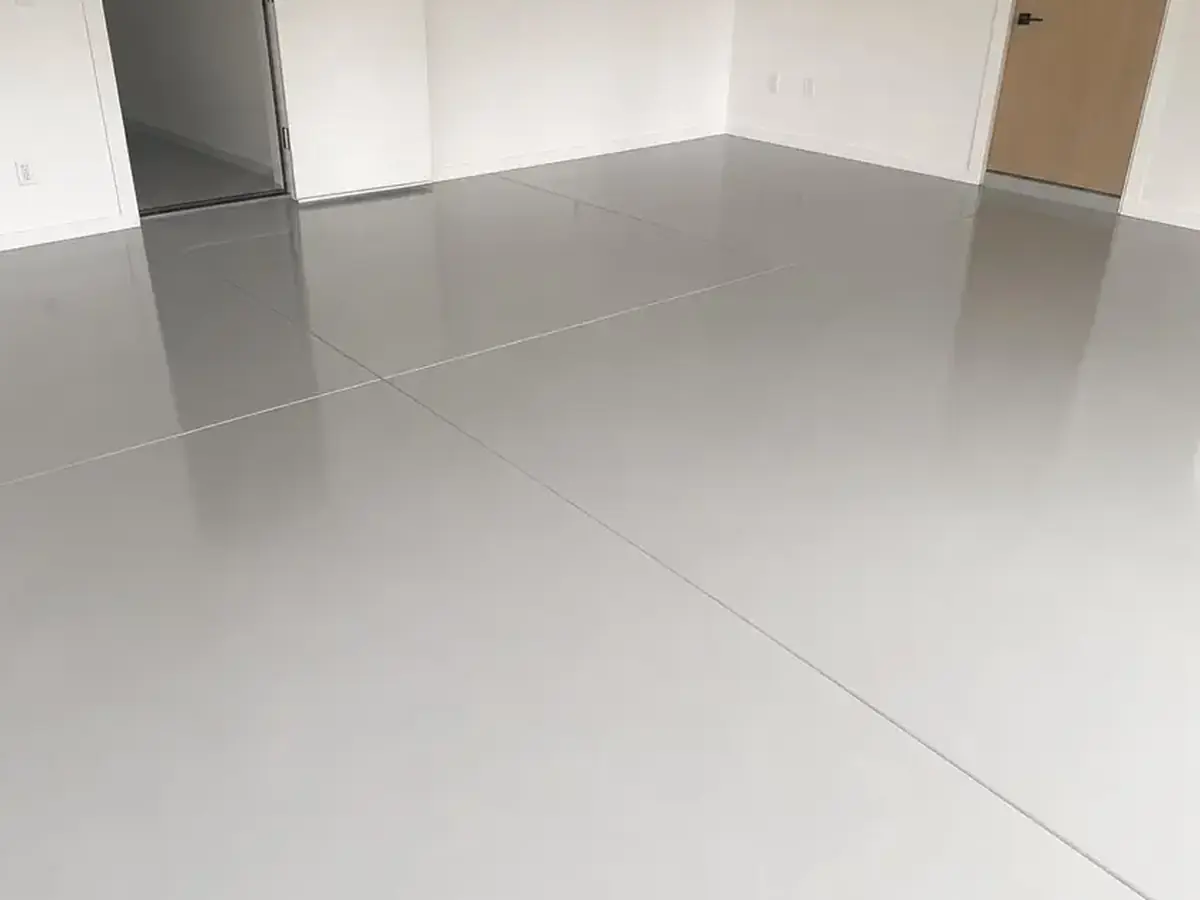
The coating system affects the schedule in two ways: how many layers go down and what the topcoat is. A flake floor with a full-rejection flake broadcast and a UV-stable polyaspartic topcoat is the fastest to complete, which is why it fits in a single day. A solid color floor runs about three days because it is built in more stages. Metallic floors take three to four days, since the decorative layer needs time to settle before it is sealed. Quartz and sand finishes build a thicker, textured surface in two to three days. None of these install lengths tell you the exact day a vehicle can return. A fast-curing topcoat can shorten the wait, but two garages with different products can have different answers. Ask your installer to name the topcoat and give you the manufacturer's guidance, then follow the more cautious number if you are unsure. If you are choosing between systems mainly for speed, keep in mind that the one-day flake route is also the most common garage choice, and that appearance, texture and durability should decide the system before the schedule does.
Temperature is the biggest variable homeowners forget about. Cooler floors cure more slowly. Warm floors cure faster, but a very hot slab brings its own problems, and in Santa Clarita summers a garage with the door closed can get far hotter than the weather outside. Heat can shorten the working time of the coating, so a crew may start earlier in the day or plan the work around the sun. It also matters once you start driving. Tires that have been on summer asphalt are hot, and hot tires are the classic cause of hot-tire pickup on a floor that has not finished curing. If your install lands in a heat wave, ask whether the return-to-service date should be pushed back. Letting the car sit outside for an extra day is a small cost compared with a lifted patch under a tire. In cooler winter weeks the opposite can apply, so the date you were given in July may not match what you need in January. If your garage faces afternoon sun, the floor can stay warm well into the evening, so a morning drive-on in cool air is better than a late-day return from a hot highway. Shade and airflow can help the garage stay cooler during the first days, but ask your installer before changing anything about the room while the coating hardens.
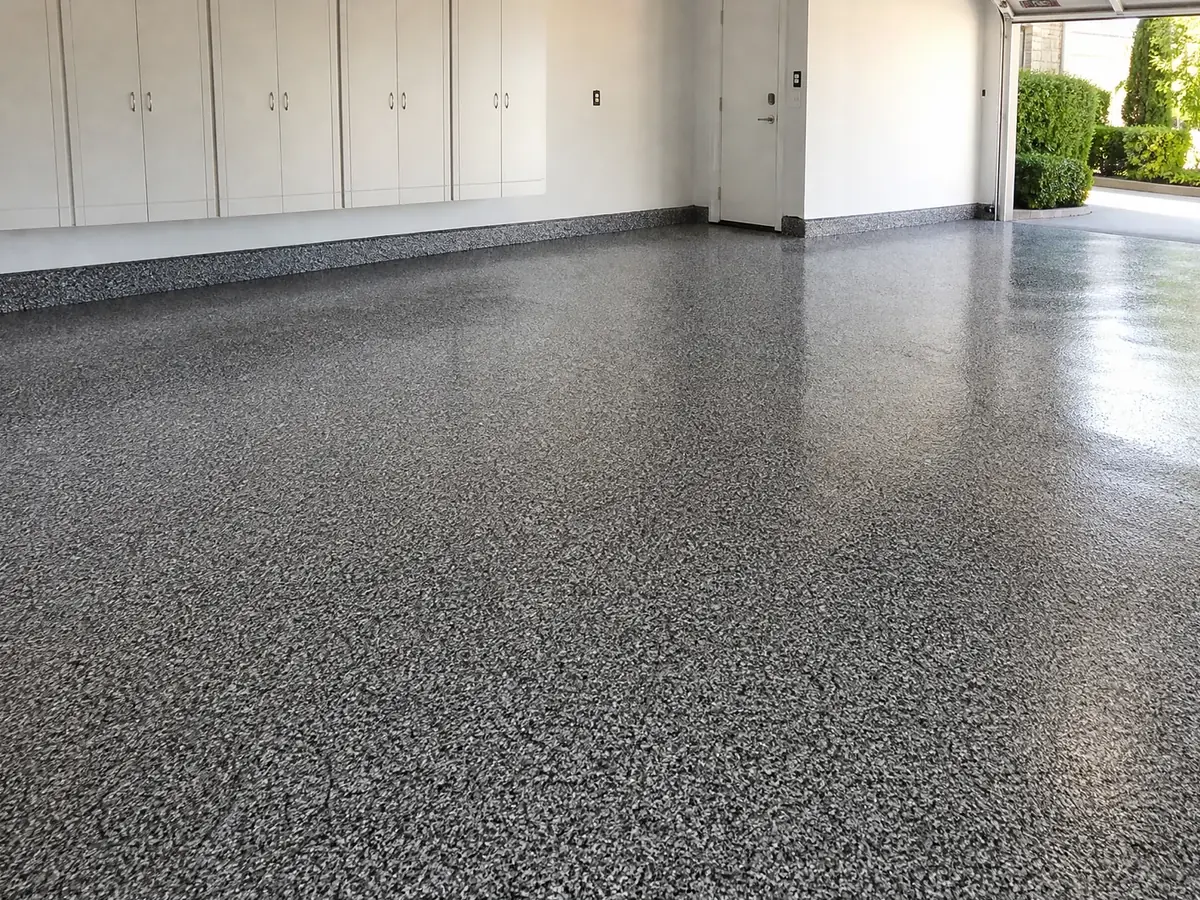
Before the work starts, ask your installer for the return-to-service guidance in plain terms: when you can walk on the floor, when you can put a car on it, when you can put the shelves and heavy items back, and when the floor is considered fully cured. Ask for it in writing or on the estimate. Plan parking ahead, since two vehicles may need to be on the street or driveway for several days. Move everything out of the garage before the crew arrives, and decide where the pets will stay, since paws and a wet coating do not mix. Keep the garage door closed to dust where you can, and avoid wetting the floor early. Once the car goes back in, drive in slowly, avoid sharp turning on the spot, and park on the same area for a few days so you can see how the floor behaves. If anything looks soft or marked, call the installer before the issue grows. You can start by asking for a free estimate. Keep the paperwork where you can find it, since memory of a verbal date fades fast. A written date also gives you something to point to if a family member wants the car parked early.
Treat drive-on time as a separate date from the day the crew finishes, and get it in writing for your specific system. Waiting an extra day in hot weather costs very little. To plan your own schedule, call Elevate Epoxy Flooring at (661) 457-5812. Call (661) 457-5812 for a free estimate.
Light foot traffic is usually allowed sooner than anything else, often within a day for many systems, but the exact time depends on the products and temperature. Walk carefully in clean, soft-soled shoes and avoid dragging items. Your installer should give you a specific time.
Wait for the date your installer gives you, and be more cautious in hot weather. Cars add weight and heat in a small area, so parking too early risks marks or hot-tire pickup. Some floors are ready sooner and some need longer, depending on the topcoat.
Many epoxy floors take about a week to reach full cure, but this varies by product and temperature. Full cure is separate from drive-on time. Check the manufacturer's data sheet for your specific system rather than relying on a general number.
Wait for your installer's go-ahead before loading the floor. Light items may be fine sooner than heavy shelving, workbenches or tool chests. Lift rather than drag, and avoid rubber-backed mats until the floor has fully cured.
Yes. Heat generally speeds up curing, but a very hot slab can cause its own problems, and hot tires can mark a coating that is still hardening. In Santa Clarita summers, ask your installer whether to wait longer before parking.
Durable, easy-to-clean garage floors that resist hot-tire pickup, oil and salt. Most two-car garages are done in one day.
Learn more →Full-rejection flake over a moisture-barrier epoxy basecoat, sealed with a UV-stable polyaspartic topcoat. Installed in one day.
Learn more →Hand-guided metallic pigments create marble and lava effects, so no two floors look alike. A statement floor for homes and showrooms.
Learn more →A properly prepared and fully cured floor generally handles Santa Clarita summers well, but heat exposes weak spots. The main risks are hot-tire pickup on a poorly cured or poorly prepped coating, yellowing near sun-facing doors, and hot surfaces underfoot. Diamond grinding and a UV-stable polyaspartic topcoat address most of them.
Read the answer →Yes, you can epoxy a garage floor with cracks and stains, but not by simply rolling coating over them. Cracks should be repaired, oil stains need to be ground out or treated, and the slab must be prepared first. Wide or shifting cracks may need a closer look before any coating goes down.
Read the answer →It depends on your slab and your tolerance for risk. A DIY kit can work on a clean, dry, sound garage floor if you grind properly and follow cure times, but most kits are thin and offer no moisture protection. A professional flake system runs $6.50-$10 per square foot and is built to last longer.
Read the answer →Call (661) 457-5812 or send the form at the top of the page. We reply the same day.