
Yes, you can epoxy a garage floor with cracks and stains, but not by simply rolling coating over them. Cracks should be repaired, oil stains need to be ground out or treated, and the slab must be prepared first. Wide or shifting cracks may need a closer look before any coating goes down.
Yes, you can epoxy a garage floor with cracks and stains, but not by simply rolling coating over them. Cracks should be repaired, oil stains need to be ground out or treated, and the slab must be prepared first. Wide or shifting cracks may need a closer look before any coating goes down.
Almost every older garage floor has a few cracks, some oil spots and a rust ring where a can once sat. Most homeowners assume they have to fix all of that themselves before calling anyone. In reality, coating a floor is the repair step for most surface problems, as long as the prep is done properly. The important part is knowing which damage is cosmetic and which damage means the slab is moving. This post explains how cracks and stains are handled, what a coating will and will not hide, and what to expect from a Santa Clarita garage floor that has been through a few summers.
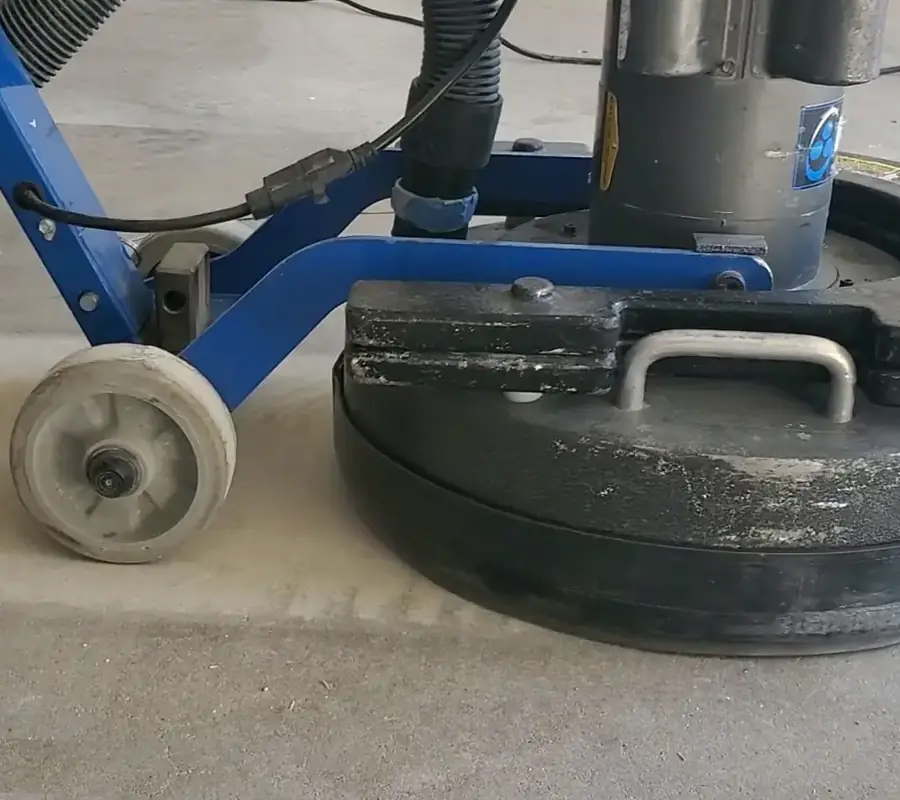
Hairline cracks are common in garage slabs because concrete shrinks as it cures and expands and contracts with temperature. They are usually not a sign of a serious problem. During prep, the crew diamond grinds the floor, which opens the surface and gives the coating something to grip. Cracks are then cleaned out and filled with a repair material that bonds to the concrete, and the filled area is leveled so it does not telegraph through the finish. Once those cracks are repaired and the basecoat and topcoat go over them, they usually disappear from view, especially under a flake blend that breaks up the pattern. We cannot promise a crack will never return. If the slab keeps moving, a new hairline can appear along the same line, and an honest installer will tell you that up front. The goal is a floor that looks smooth, not a guarantee that concrete will never crack. Ask the installer to show you where the repairs were made before the first coat goes on, so you know what is under the finish. That small step also makes later questions easier to answer.
Not every line in a slab is a crack. Saw-cut control joints are placed on purpose so the concrete cracks along them instead of across the floor. A rigid coating bridged across a joint can split along that line, so joints are typically treated with a flexible filler rather than packed with hard material. Wider cracks, cracks where one side sits higher than the other, and cracks that keep growing are a different matter. They can point to settling, tree roots, drainage or soil movement, and coating over them without understanding the cause can waste money. If you can catch a coin edge on a crack, or if a crack has widened since you first noticed it, say so at the estimate. A good installer will look at it, repair what is practical, and tell you if you need someone else to evaluate the slab first. Cosmetic repair and structural repair are not the same job, and no coating changes that. A quick look takes only a few minutes, and it can save you from paying for a coating that will crack again in a year. If the answer is that the slab needs attention first, that is useful to know before you choose a color.
Oil is the stain that worries people most, and rightly so, because oil in the pores of the concrete can interfere with adhesion if it is not dealt with. Diamond grinding removes the top layer of the surface, which takes most of the stain with it. Deeper spots may need extra grinding, cleaning or a degreasing step before coating. A floor that has been soaked in oil for many years, like a mechanic's bay, needs more attention than a light drip under a daily driver. Rust rings, paint spills and old sealer are also removed in the grinding stage. Acid etching and pressure washing alone are usually not enough for an oil-soaked slab, and a stain that is still present after prep is a warning sign. Ask your installer how they deal with stains, and whether they test an area before coating. If the stain keeps bleeding into a test patch, they should say so instead of coating over it. A test patch can also reveal whether a stain will bleed through before the whole floor is coated, which is far cheaper than finding out afterward. Honest prep is slower, but it is what makes the floor last.
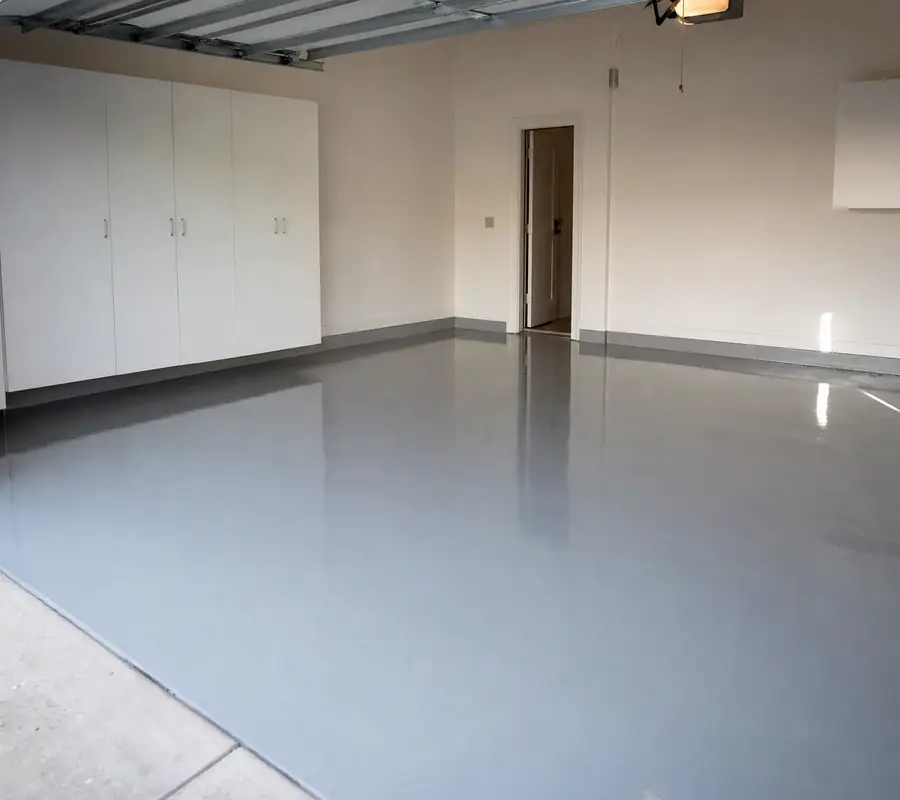
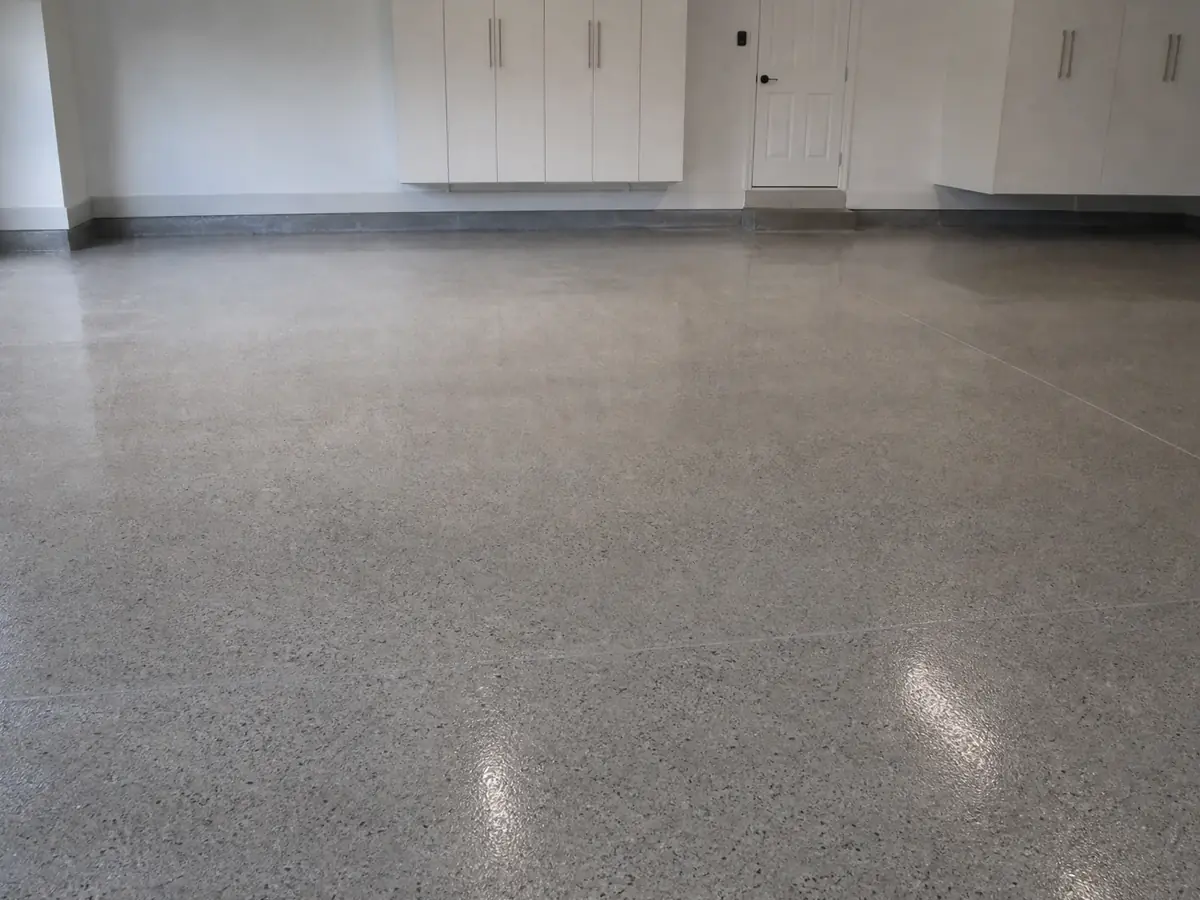
A coating hides color, so rust rings, old paint and light staining stop being visible. It does not hide shape. A flake epoxy floor with a full-rejection flake broadcast is forgiving, since the pattern conceals small patches and crack repairs. A solid color epoxy floor, especially a glossy dark one, shows every ridge, patch and trowel mark. Metallic floors show the most. If your slab has a lot of repairs, a flake or quartz finish is usually the more forgiving choice. Spalled areas, pits and low spots can be patched before coating, but those repairs add time and cost, and a repair that stands out under a glossy finish is a real concern. Be honest with your installer about how picky you are. If you want a perfectly uniform look, tell them early, because it changes both the product recommendation and the prep that gets quoted. It is better to hear that now than after the topcoat dries. Photos and samples help here. Ask to see a finished garage with similar repairs, or a sample board, and judge the result in daylight, not under a showroom light. A flake sample with a repaired crack through it is the most honest preview you can get.
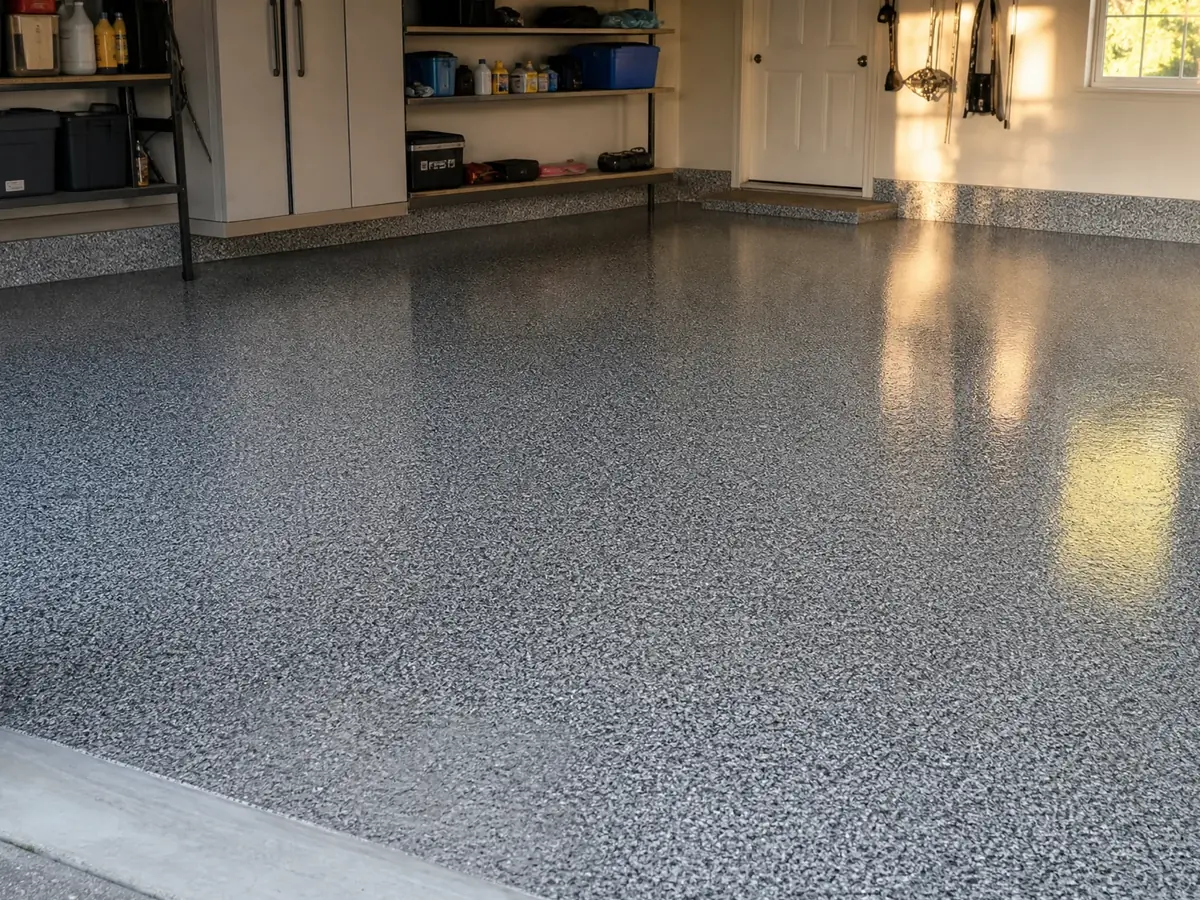
You do not need to repair anything yourself. Clear the floor if you can, or at least be ready to walk the garage with the estimator. Point out every crack, stain and previous repair, and say what you know about them: when they appeared, whether they grew, whether anything has leaked. If you have already used a kit or a sealer, mention it, since old coatings must be ground off and add to the work. Ask the estimator to explain what each repair involves and where the project can change once the surface is ground and the slab is fully visible. Our approved pricing starts with a minimum project of $2,600, and flake runs $6.50 to $10 per square foot, but crack and stain repair are discussed during the estimate and not guessed from a photo. See how much does epoxy cost for the full price ranges, then ask for a free estimate. Bring any past paperwork about the slab, such as a builder's notes, and tell us about any plumbing or drainage issues near the garage. It gives the estimator a fuller picture. Those details save time on the day of the visit.
Cracks and stains rarely stop a garage floor from being coated, but they must be repaired and ground out first, and wide or moving cracks need a closer look. For an honest read on your slab, call Elevate Epoxy Flooring at (661) 457-5812. Call (661) 457-5812 for a free estimate.
Yes, after the cracks have been cleaned and repaired. Coating over unrepaired cracks usually lets them show or reopen. Diamond grinding and proper crack fill come first, then the basecoat and topcoat.
Hairline cracks that are properly repaired often stay hidden, but a slab that keeps moving can crack again along the same line. Wider or shifting cracks should be looked at before coating. No installer can honestly promise concrete will never crack.
Epoxy can cover the color of an oil stain, but the oil itself must be removed or treated first. Diamond grinding removes most of it. Heavily soaked concrete may need extra cleaning, and a stain that keeps bleeding through should be addressed before coating.
You do not need to do it yourself. A good installer repairs cracks as part of the prep. If you want to patch them yourself, ask the installer first so the repair material will bond with the coating.
Often yes, if the cracks are cosmetic and properly repaired. A flake finish hides repairs well. If cracks are wide, uneven or growing, have the slab checked first, because a coating will not fix a moving slab.
Durable, easy-to-clean garage floors that resist hot-tire pickup, oil and salt. Most two-car garages are done in one day.
Learn more →Full-rejection flake over a moisture-barrier epoxy basecoat, sealed with a UV-stable polyaspartic topcoat. Installed in one day.
Learn more →Diamond-ground concrete finished with a clear sealer for a natural, low-maintenance floor at the lowest installed price.
Learn more →It depends on your slab and your tolerance for risk. A DIY kit can work on a clean, dry, sound garage floor if you grind properly and follow cure times, but most kits are thin and offer no moisture protection. A professional flake system runs $6.50-$10 per square foot and is built to last longer.
Read the answer →There is no honest single number, because lifespan depends on the system and the conditions. A floor with proper diamond grinding, a moisture-barrier basecoat and a UV-stable topcoat can stay in good shape for a long time. Poor prep, moisture, sun and hot tires shorten it, and the topcoat usually wears first.
Read the answer →We cannot tell you your association's rule, because HOA documents differ from one community to the next. Check your CC&Rs and ask the board or management company whether a garage floor coating needs approval. For permit questions, ask the City of Santa Clarita Building and Safety. Get every answer in writing before work starts.
Read the answer →Call (661) 457-5812 or send the form at the top of the page. We reply the same day.